Skip to content


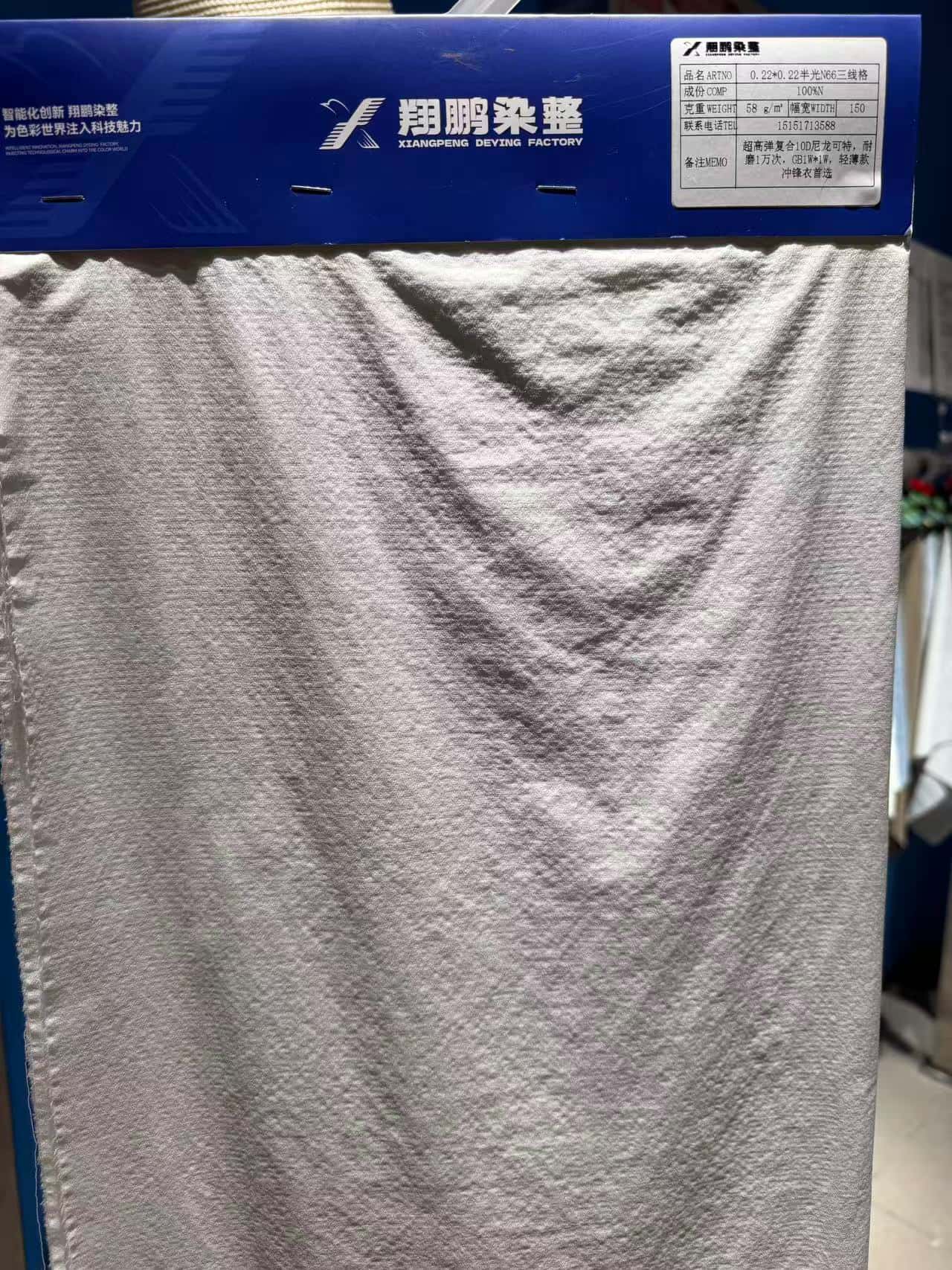
In the contemporary textile sector, the call for materials that merge organic ease, top-level performance features, and eco-friendly creation has never been stronger. Among these new substances, cotton-feel memory cloth stands out as a major leap forward. It provides the gentle, airy comfort of cotton along with the ability to hold shape and resist wrinkles usually found in high-quality artificial fabrics.
What, then, is cotton-touch memory fabric? How is it produced? What differentiates it from typical cotton or memory fabrics? Most importantly, can it resist wear and tear, be cleaned in a washing machine, and is it eco-friendly? This article responds by discussing its makeup plus production method, and resultant performance against standards, as well as actual use cases in an SEO-technical write-up.
What is Cotton-Touch Memory Fabric?
Cotton-touch memory fabric can be defined as a man-made or composite material designed so that it feels like cotton and breathes with the same characteristics as cotton, yet maintains the properties of shape memory — it keeps its form or springs back to its original state after being folded, creased, or stretched.
Polyester, nylon, or spandex is generally the composition of the fabric. Special finishes on the surface or milling methods are used to make it feel like cotton. This way, it combines natural fiber comfort with the technical performance typical of synthetic polymers.
Key Features:
- Soft͏, smooth texture like cotton.
- Has very good wrinkle recovery and “memory” behavior.
- It is breathable and light in weight with a soft drape.
- It is durable, quick-drying, and easy to care for.
Used in apparel, outerwear, uniforms & home textiles. Unlike the regular cotton, which takes time to dry and easily gets wrinkled, cotton touch memory fabric provides a good combination of comfort and performance. It is best recommended for daily wear and travel-friendly garments.

Is Cotton-Touch Memory Fabric Waterproof?
The hydrophobic base material (whether polyester or nylon) is by nature somewhat water-resistant. The actual answer to the question lies in the finishing process and surface treatments that are applied during manufacture. In order to make it functionally waterproof, it may have applied a PU (polyurethane) coating, a microporous membrane, and/or a durable water repellent (DWR) finish.
A thin guard coat makes by which liquid to get inside, though sweat vapor can come out. The fabric, hence, remains breathable even when water cannot pass through it, jackets, outerwear, and fashion uses.
To sum up: Cotton-touch memory fabric may be water-repellent, but not in all variants fully waterproof. Performance relates to the finishing chemistry and intended use.
Difference Between Cotton-Touch Memory Fabric, Cotton, and Traditional Memory Fabric
The unique value of cotton-touch memory fabric lies in how it bridges the gap between natural and synthetic materials. To illustrate, consider the following comparison:
| Property | Cotton Fabric | Memory Fabric (Polyester) | Cotton-Touch Memory Fabric |
| Texture | Natural, soft, breathable | Smooth, synthetic feel | Cotton-like, soft & refined |
| Wrinkle Resistance | Low | Very high | High |
| Moisture Absorption | Excellent | Low | Moderate |
| Breathability | High | Moderate | High |
| Durability | Moderate | Excellent | Excellent |
| Water Resistance | Poor | Good | Adjustable (with finish) |
| Eco-friendliness | Natural fiber | Synthetic | Blend, can be eco-treated |
| Use Cases | Everyday clothing | Sportswear, uniforms | Fashion, outerwear, activewear |
As shown, cotton-touch memory fabric combines the tactile comfort of cotton with the functional resilience of memory polyester, creating a hybrid textile suitable for both comfort and performance applications.
Manufacturing Process of Cotton-Touch Memory Fabric
The making of cotton-feel memory textile comes through several steps of precise engineering. Each process targets the realization of softness, elasticity, and “memory” while keeping dimensional stability.
Fiber Preparation
Producers mostly use altered polyester or nylon fibers in mixes with cotton or treated with special finishes. The aim is to get fibers with micro-channeled or matte surfaces, copying the feel of real cotton.
Spinning and Weaving
It is spun from fibers using either the air-textured or false-twist texturing processes that result in a soft hand. The yarn is then woven or knitted into plain, twill, satin, etc.
Thermal Setting and Shape Memory Treatment
The material gets molecularly oriented by the application of heat and pressure in very well-controlled conditions. It develops ‘memory’ properties, that is, it will spring back to its original shape once it has been deformed.
Chemical and Finishing Treatments
This may include: hydrophilic softeners for comfort and moisture management;
Antiwrinkle or crosslinking agents for stability;
PU or silicone coatings for durability and water repellency
A heat-safe finish to help keep shape. The struggle is in keeping the feel and air flow while holding the structure.
Washability, Durability, and Aging Performance
A critical question for consumers is whether cotton-touch memory fabric maintains its quality over time.
Wash Durability
Fabric is considered high class if it can bear above 50 wash cycles and still retain its shape and color, whereas poorly finished versions may lose their memory effects or get wrinkled after washes.
Common Aging Problems
Memory Fatigue: The fabric loses its snap-back ability after long use under strain.
Surface Pilling: By abrasion and sometimes by entanglement of fibers.
Discoloration: It gets faded due to exposure to sunlight or any strong detergent.
To deal with these issues, producers usually turn to anti-pilling finishes, UV stabilizers, and crosslinking resins.

Quality Testing and Standards
Textile engineers rely on a series of laboratory tests to evaluate cotton-touch memory fabrics. Common assessments include:
| Test Item | Purpose | Standard / Method |
| Wrinkle Recovery Test | Measure the ability to return to original form | ASTM D1295 |
| Crease Recovery Angle | Quantify memory performance | AATCC 66 |
| Dimensional Stability | Evaluate shrinkage / deformation | ISO 5077 |
| Color Fastness | Check resistance to washing & light | ISO 105-C06 |
| Abrasion Resistance | Assess pilling & wear | Martindale Test |
| Air Permeability | Measure breathability | ASTM D737 |
Only fabrics that pass these performance tests qualify for use in high-end apparel or technical applications.
Environmental and Regulatory Compliance
Sustainability plays a central role in the textile industry’s future. Many cotton-touch memory fabrics are developed with eco-friendly processes and certifications.
Eco-Friendly Features
Use of recycled polyester or bio-based fibers.
Low-VOC finishing chemicals.
Wastewater recycling and closed-loop dyeing systems.
Key Certifications
OEKO-TEX® Standard 100 – ensures no harmful substances.
GOTS (Global Organic Textile Standard) – for natural fiber blends.
GRS (Global Recycled Standard) – for recycled content validation.
Compliance with Regulations
EU REACH – limits hazardous substances.
California Proposition 65 – controls toxic chemical exposure.
ISO 14001 – environmental management compliance.
These measures ensure that the material not only performs well but also aligns with global environmental goals.
Common FAQs About Cotton-Touch Memory Fabric
Q1: Can this fabric really be “no-iron”?
Yes—one of the biggest advantages of cotton-touch memory fabric is its wrinkle recovery. It’s not totally no-iron, but it often looks neat after washing and air drying.
Q2: Is it breathable and comfortable for summer?
Absolutely. The surface texture and fiber construction encourage air circulation as well as balance moisture, which makes it comfortable for both summer as well as winter.
Q3: What garments use this fabric?
Most commonly, they are used in applications such as:
Jackets and coats for fashion
Shirts and blouses for casual wear
Sports clothing and uniforms
Apparel for outdoor
Q4: Is it safe and eco-friendly?
Yes, when certified. Fabrics meeting OEKO-TEX or GRS standards are considered safe, skin-friendly, and compliant with environmental norms.
Q5: Is it suitable for printing or embroidery?
Yes — it supports digital printing, sublimation, and screen printing, as well as laser cutting and embroidery, provided the heat and pressure are controlled.
Q6: Does it cost more than regular fabric?
Production costs are higher due to specialized finishing, but its longer lifespan and low-maintenance nature often make it more economical over time.
Design, Cutting, and Sewing Considerations
Designers appreciate cotton-touch memory fabric for its structure retention and drape flexibility, but must consider:
Cutting precision: Fabric may slightly rebound after cutting; rotary cutters are recommended.
Seam tension control: Prevent stretching or curling during sewing.
Ironing temperature: Use low to medium heat to avoid damaging memory polymers.
Lining compatibility: Lightweight linings preserve softness and shape memory balance.
These factors ensure garments maintain a professional, tailored look even after extended use.
Applications and Market Trends
Cotton-touch memory fabric has rapidly gained popularity in multiple sectors due to its multi-performance characteristics.
Fashion and Apparel
It is seen in jackets, skirts, trousers, and dresses. Where structure is required, and also wrinkle resistance.
Home Textiles
Used for curtains, upholstery, and bedding — gives a soft hand with easy care properties.
Industrial and Outdoor Gear
Used for uniforms, rainwear, and travel products requiring shape retention, water repellency, and strength.
Emerging Markets
Smart textiles: Integrated thermochromic or conductive coatings.
Eco-memory fabrics: With bio-based crosslinkers and green chemistry.
Performance Comparison Chart (Example Data Visualization)
Below is an example comparison of performance parameters across fabric types:
| Performance Metric | Cotton | Polyester Memory | Cotton-Touch Memory |
| Wrinkle Recovery (%) | 35 | 90 | 85 |
| Moisture Absorption (%) | 7.5 | 0.4 | 3.2 |
| Air Permeability (mm/s) | 420 | 280 | 390 |
| Tensile Strength (MPa) | 110 | 210 | 180 |
| Wash Durability (cycles) | 30 | 70 | 60 |
This chart illustrates how cotton-touch memory fabric balances comfort and performance, positioning itself between cotton’s natural softness and polyester’s strength.
Conclusion
Cotton-touch memory fabric is a new setup in the world of textiles — a material that brings together comfort, strength, and supportability. Through high-level fiber planning and wrapping up, it offers the regular hand-protection of cotton, the shape memory of engineered strands, and the eco-accommodating profile desired by contemporary buyers.
From regular clothes to fancy workout gear, cotton-feel memory fabric is seen as a strong and flexible textile answer. As long as new changes keep coming — especially with bio-based plastics and eco-friendly finish methods — it’s ready to be a key material in the coming wave of useful and green fabrics.