Skip to content

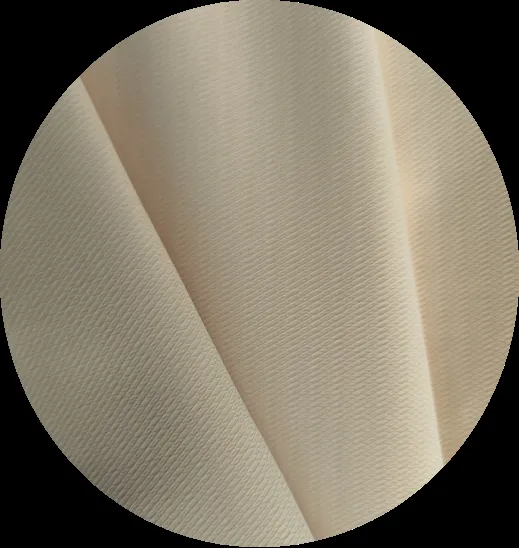
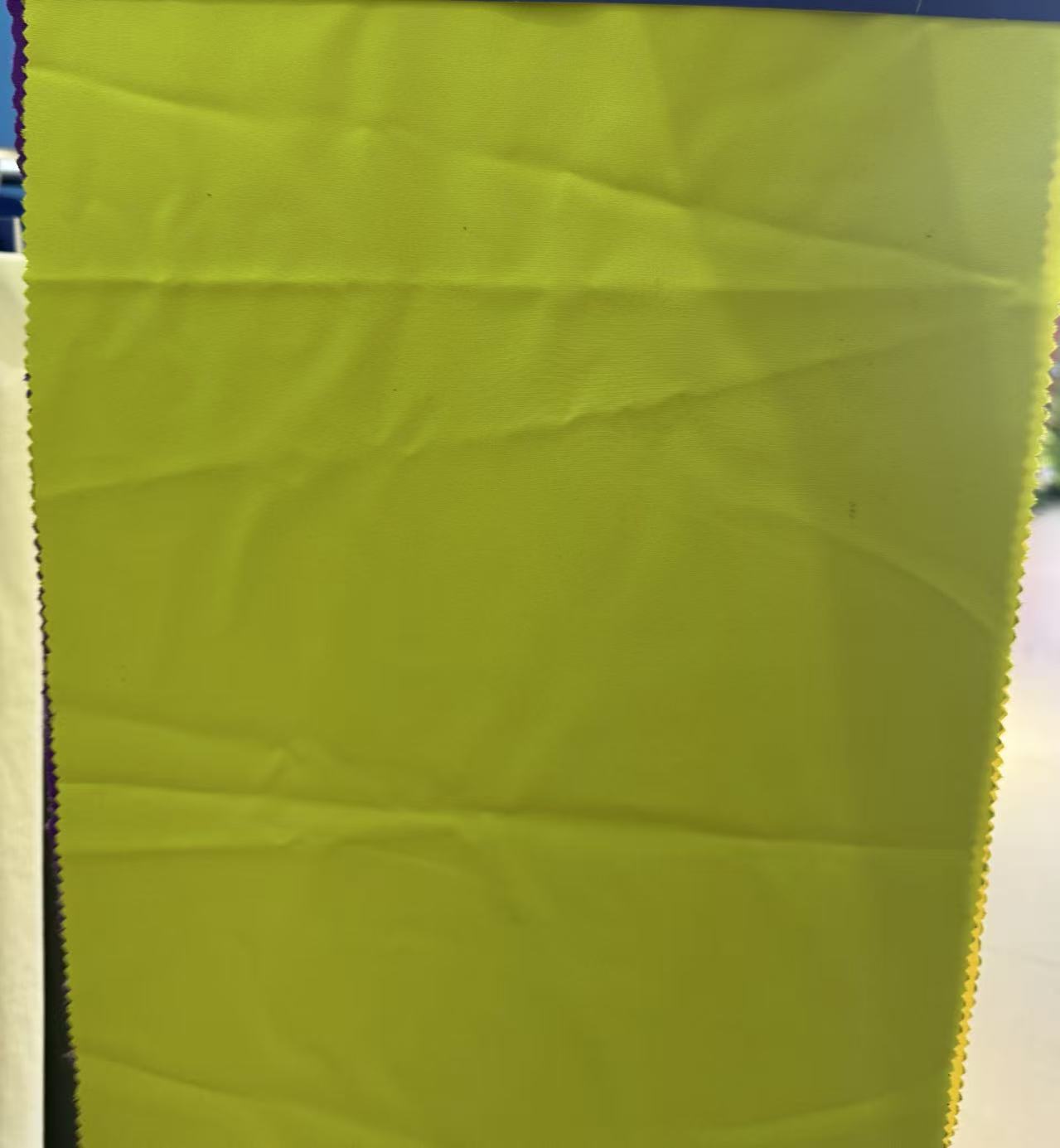
20D Nylon Ripstop Fabric is a lightweight, high-strength textile widely used in outdoor gear such as jackets, tents, and sleeping bags. This advanced 20D Nylon Ripstop Fabric combines ultra-fine 20-denier nylon fibers with a reinforced grid structure to improve tear resistance while maintaining minimal weight. In an industry where every gram matters, selecting the right 20D Nylon Ripstop Fabric can be the difference between a comfortable trek and a burdened hike.
In this article, we will explore the structure, key performance features, and specific applications that make 20D Nylon Ripstop Fabric a preferred material in modern outdoor equipment design.
How Ripstop Grid Structure Improves Tear Resistance
To understand the value proposition of 20D Nylon Ripstop Fabric, we must first strip away the marketing jargon and examine its three constituent parts: the Denier, the Polymer, and the Grid Architecture.
Decoding Denier: The Calculus of Weight and Strength
The term “20D” is a unit of linear mass density. Specifically, one denier equals the mass in grams of 9,000 meters of a single fiber filament. When we say a yarn is 20 denier, we are describing a fiber of extraordinary fineness. To visualize this, consider that a single human hair averages approximately 20 to 50 denier. When wearing a shell made from 20D Nylon Ripstop Fabric, you are, in essence, protected by fibers as fine as your own hair.
This fineness translates directly to a surface density (measured in grams per square meter, or GSM) that hovers in the 30g to 50g range depending on the tightness of the weave and the application of post-weave coatings. At this weight, 20D Nylon Ripstop Fabric is less of a “barrier” and more of a “second skin.” However, weight alone is a useless metric without context. The true genius lies in what the ripstop structure allows this minimal mass to achieve.
The Grid as Guardian: Mechanical Tear Arrest Theory
Ripstop is not merely a visual pattern; it is an engineered fracture mechanics countermeasure. In a standard plain weave nylon, when a sharp point penetrates the textile and breaks a fiber, the tension that was held by that fiber is transferred instantly to its immediate, parallel neighbors. Because those neighbors are of the same low-mass denier, they are immediately overloaded. The tear “runs” like a stocking ladder, propagating across the surface until the energy dissipates.
The ripstop weave in 20D Nylon Ripstop Fabric intervenes in this cascade. During the weaving process, a heavier, high-tenacity yarn (often a 30D or 40D nylon monofilament or a twisted multifilament) is inserted into the warp and weft at precise intervals—typically every 5 to 8 millimeters. This creates a visible, three-dimensional grid.
When a tear begins, it races across the fine 20D plain weave but is halted abruptly when it encounters the reinforcement node. The thicker grid yarn requires exponentially more kinetic energy to break than the fine base fabric. The tear stops. It cannot jump the grid. This is why 20D Nylon Ripstop Fabric can exhibit tear strength values that rival non-ripstop fabrics twice its weight. It is a testament to the fact that in material science, geometry often trumps mass.
The Polymer Profile: Why Nylon and Why Stretch?
While the denier and grid provide the structure, the polymer provides the personality. Nylon 6,6 is the gold standard for 20D Nylon Ripstop Fabric. Unlike polyester, nylon possesses a superior elastic recovery and crystalline structure that allows it to absorb shock and abrasion more effectively. Where polyester tends to “skin” or fray when rubbed against rough surfaces, nylon tends to fuzz but holds its core structure longer. This is critical for gear made from 20D Nylon Ripstop Fabric that spends its life being stuffed into packs or scraping against rock.
Furthermore, modern iterations of 20D Nylon Ripstop Fabric often incorporate mechanical stretch or elastane integration. By carefully managing the crimp of the yarn or by introducing a small percentage (5%-10%) of spandex in the weft direction, the fabric gains horizontal compliance. This is not the bouncy, constrictive stretch of a wetsuit; it is a subtle, directional “give” that allows a jacket made from 20D Nylon Ripstop Fabric to move with the rotation of the shoulders or a tent fly to flex under wind load rather than snapping taut and tearing at the seams. This stretch property is a force mitigation strategy, reducing the peak stress on the stitching holes and dramatically increasing the garment’s or shelter’s lifespan under dynamic conditions.
Key Features of 20D Nylon Ripstop Fabric
A specification sheet can tell you the tear strength in Newtons. It cannot tell you how that fabric feels on a ridgeline or how it behaves in a squall. Let’s translate the technical metrics of 20D Nylon Ripstop Fabric into field performance.
The Paradox of “Downproofness” and Breathability
One of the most demanding applications for 20D Nylon Ripstop Fabric is as a downproof shell. To contain fine down clusters (which tend to migrate like stubborn ghosts through any microscopic gap), the fabric weave must be exceptionally tight. Yet, a tight weave risks creating a vapor barrier—trapping sweat and leading to a clammy, hypothermic environment inside the insulation.
This paradox is resolved through calendering. 20D Nylon Ripstop Fabric is passed through heated, high-pressure rollers that slightly melt and flatten the surface fibers on one side, creating a smooth, fused skin. This seals the pores against down leakage without significantly reducing the air permeability of the fabric body. Consequently, a well-engineered 20D Nylon Ripstop Fabric will allow the pressure differential caused by body heat to push moisture vapor outward (passive breathability), while still acting as an impenetrable wall for feather quills. This is why 20D Nylon Ripstop Fabric is the de facto standard for the highest-end ultralight sleeping bags and quilts—it maximizes loft efficiency while minimizing the weight of the carrier fabric.
Hydrostatic Resistance and Coating Synergy
In its raw, greige state, 20D Nylon Ripstop Fabric is hydrophilic; it loves water and will saturate quickly. Its true potential for weather protection is unlocked through functional finishes.
-
Silicone Impregnation (Silnylon): By saturating 20D Nylon Ripstop Fabric with a silicone elastomer, the fibers are effectively encapsulated in rubber. This increases the hydrostatic head (waterproof rating) to ranges exceeding 1,500mm to 3,000mm, sufficient for all but the most extreme static pressure. Crucially, silicone coating also enhances the fabric’s slippery hand feel, reducing abrasion friction and making 20D Nylon Ripstop Fabric ideal for stuff sacks and tent flies that need to slide against other gear.
-
C0 Durable Water Repellent (DWR): For apparel where hand feel and breathability are paramount, a PFC-free DWR treatment is applied to 20D Nylon Ripstop Fabric. This is a molecular-level change to the fiber surface energy. Water does not bead because of a waxy layer; it beads because the surface tension of the fabric is lower than the cohesive energy of the water droplet. This causes the droplet to ball up and roll off, maintaining the air exchange necessary for active pursuits.
Comparative Fabric Performance Matrix
| Attribute | 20D Nylon Ripstop Fabric | 40D Nylon Ripstop | 30D Polyester Ripstop |
|---|---|---|---|
| Weight (Typical) | 35-50 g/m² | 60-75 g/m² | 45-55 g/m² |
| Tear Propagation | High (Grid-limited) | Very High | Moderate (Brittle failure) |
| Hydrolysis Risk | Moderate | Moderate | Low (Chemically stable) |
| Wet Strength Loss | 10-15% | 10-15% | < 5% |
| UV Degradation | Moderate | Moderate | High Resistance |
| Ideal Application | Alpine insulation, UL shelters | Heavy packs, Duffle bases | Marine/Sun-exposed awnings |

Applications of 20D Nylon Ripstop Fabric in Outdoor Gear
Understanding the “why” empowers better gear choices and product development. Here is how 20D Nylon Ripstop Fabric functions in specific use cases.
Scenario 1: The Ultralight Tent Fly
Challenge: The fabric must withstand flapping wind gusts of 30-40 mph, resist puncture from falling pine needles, and shed sustained rain without absorbing weight.
Solution: 20D Silicone-Coated Nylon Ripstop Fabric. The silicone coating provides a waterproof barrier and also lubricates the fibers. When the wind whips 20D Nylon Ripstop Fabric, the silicone allows the yarns to slide over one another rather than locking and tearing. The ripstop grid prevents small ember burns or micro-abrasions from splitting open into gaping vents.
Scenario 2: The High-Output Alpine Insulator
Challenge: The wearer is generating significant body heat while climbing. The fabric must contain insulation, block wind, and allow moisture vapor to escape to prevent interior condensation freezing.
Solution: 20D Nylon Ripstop Fabric with Mechanical Stretch and DWR. The fabric’s low denier minimizes the thermal bridging effect (where cold conducts through the face fabric to the user’s skin). The weft stretch allows the climber to reach high for a hold without the hem riding up to expose the midriff. The DWR finish applied to the 20D Nylon Ripstop Fabric causes spindrift and light snow to shed instantly rather than melting and wetting out the face.
Scenario 3: The Stuff Sack and Compression Dry Bag
Challenge: The material must endure constant abrasion against the inside of a backpack, the sharp corners of a stove, and the high-pressure stress of being overstuffed.
Solution: 20D Double-Ripstop Silnylon. Here, 20D Nylon Ripstop Fabric is often constructed with a tighter grid pattern (e.g., 3mm spacing). The compression forces inside a backpack can force sharp objects through the weave; the dense ripstop grid acts as a sieve, preventing catastrophic tear-outs. The smooth silicone finish on the 20D Nylon Ripstop Fabric reduces friction so the bag slides easily into tight pack spaces, preserving its lifespan.
20D vs 40D Nylon Fabric: What’s the Difference
When is 20D Nylon Ripstop Fabric the right choice, and when should you opt for a heavier, more robust alternative? The decision matrix is simple but critical.
| Consideration | Choose 20D Nylon Ripstop Fabric | Choose Heavier Denier (40D-70D) |
|---|---|---|
| Primary Objective | Minimizing weight, maximizing pack volume. | Maximizing abrasion resistance, heavy loads. |
| User Profile | Thru-hiker, fastpacker, alpinist. | Bushcrafter, expedition leader, military. |
| Stress Type | Tension, wind shear, internal pressure (down). | Abrasion (rock scraping), puncture (thorns). |
| Longevity Expectation | 1-2 thru-hikes or 5-7 seasons of intermittent use. | 10+ years of hard, frequent use. |
| Cost Implication | Higher cost per yard due to fine spinning and coating precision. | Lower cost per yard due to commodity scale. |
Note on Polyester vs. Nylon: While 20D Nylon Ripstop Fabric excels in strength and hand feel, 20D Polyester Ripstop holds a niche advantage in UV stability and cost. For a budget-conscious tarp that will live permanently in the sun (e.g., a desert shelter), a polyester alternative might be a more logical choice, despite its lower tear strength, because UV degradation is the primary failure mode, not mechanical stress.
Is 20D Nylon Ripstop Fabric Waterproof
The longevity of 20D Nylon Ripstop Fabric is determined more by care regimen than by initial strength. High-quality 20D Nylon Ripstop Fabric does not wear out from use; it wears out from neglect.
-
Avoid Hydrolysis: This is the silent killer of coated nylons. Do not store gear made from 20D Nylon Ripstop Fabric wet or in a humid, hot car trunk. Water molecules break down the ester linkages in polyurethane coatings and can foster mildew in the silicone matrix. Always air-dry gear fully before long-term storage.
-
Lubricate the Weave: Over time, dirt and grit trapped in the weave of 20D Nylon Ripstop Fabric act like microscopic saw blades, cutting the fibers from the inside out. Regularly rinse gear with clean water (no detergent) to remove grit. If washing is necessary, use a Tech Wash specifically designed to clean without stripping DWR or degrading coatings.
-
Heat Management: Nylon melts at approximately 428°F (220°C). While you won’t reach that in a dryer, the glass transition temperature (where the polymer softens) is much lower. Use No Heat or Air Fluff settings only when drying 20D Nylon Ripstop Fabric. High dryer heat will shrink the weave, destroy the stretch recovery, and degrade any seam tape adhesive.
FAQ
1. Will 20D nylon ripstop fabric eventually “delaminate” or peel?
Delamination refers primarily to the failure of a PU (Polyurethane) coating due to hydrolysis (moisture breakdown). Silicone-coated 20D Nylon Ripstop Fabric (commonly known as Silnylon) does not delaminate in the same manner; the textile may eventually wear thin from abrasion, but the silicone remains a homogeneous part of the weave rather than flaking away. If you observe peeling or a sticky residue on your gear, it is almost always indicative of the interior PU waterproof layer degrading, not a failure of the nylon base fibers themselves.
2. Is it possible to repair a tear in 20D nylon ripstop fabric effectively?
Absolutely. The engineered grid pattern is a significant ally in field repairs. Because tear propagation is arrested at the reinforcement node, damage to 20D Nylon Ripstop Fabric is typically contained within a very small, manageable area. Adhesive solutions like Tenacious Tape adhere exceptionally well to the smooth, calendered surface of this material. For a more permanent, structural restoration, bonding a patch of similar fabric with a clear silicone adhesive (for silnylon variants) or a specialized urethane seam grip will fully restore the textile’s original integrity.
3. How can I tell if the 20D fabric I’m buying is truly “downproof”?
The definitive evaluation involves the Bundesmann Test, but a simple visual inspection under a bright light is highly effective for a preliminary check. A genuinely downproof roll of 20D Nylon Ripstop Fabric will exhibit a distinct sheen on one side, a result of the high-pressure calendering process that fuses the surface fibers. When you hold the material up to a light source, the weave should appear solid and opaque, with no discernible pinholes of light penetrating the structure. If the textile looks gauzy or open, it is likely a general-purpose taffeta unsuitable for containing fine down clusters.
4. Does the stretch in 20D nylon ripstop mean it will sag when wet?
No, this is a distinct advantage of synthetic engineering. Unlike natural fibers such as cotton or hemp, which undergo hygroscopic expansion and elongation when saturated, the stretch inherent in 20D Nylon Ripstop Fabric is mechanical and elastomeric. The spandex fibers and the crimp geometry of the nylon maintain their specific modulus regardless of moisture exposure. While the outer surface of the fabric may feel temporarily heavier due to water adhesion before the DWR finish causes it to bead and roll off, the dimensional stability and fit of the garment or shelter remain constant and reliable.
5. Is 20D nylon safe for use with an open flame or campfire?
No, it is not safe for this application. As a synthetic polymer, 20D Nylon Ripstop Fabric is classified as a thermoplastic. Exposure to direct flame, flying embers, or intense radiant heat will cause the fibers to melt rapidly and drip molten plastic, which poses a severe burn risk. This material is specifically engineered for ultralight weight efficiency and atmospheric weather protection, not for thermal or fire resistance. For activities involving sustained proximity to open fires, bushcraft scenarios, or welding, heavy cotton canvas or specialized fire-retardant treated textiles are the only recommended choices.
Conclusion
20D Nylon Ripstop Fabric represents far more than a simple commodity; it embodies a philosophy of intelligent minimalism applied directly to textile engineering. This advanced material challenges the long-held assumption that durability must come with a weight penalty and that weather protection requires a restrictive, rigid shell.
By leveraging the precise geometry of a reinforcement grid alongside the inherent toughness of fine-denier nylon polymers, the fabric allows designers to create equipment that fades seamlessly into the background of the user experience. It is gear that asserts its presence only in its notable absence of burden. For the product developer, this textile offers an unparalleled canvas for lightweight innovation and streamlined construction.
For the outdoor enthusiast, it translates directly into the tangible freedom to move further, ascend faster, and carry less physical stress on the trail. When specifying materials for your next project, consider the critical balance of coating chemistry, yarn denier, and directional stretch required. The right choice in 20D Nylon Ripstop Fabric inevitably leads to a more efficient, more capable, and ultimately more joyful interaction with the natural environment.
Looking to integrate high-performance 20D Nylon Ripstop Fabric into your next product line or custom project?
Explore our comprehensive range of technical specifications, spanning from ultralight silicone-impregnated weaves to stretch-optimized, PFC-free DWR finishes. Let’s discuss how the right foundation textile can redefine your gear’s potential.