Skip to content
Article Summary:
Nylon polyester fabric has become one of the most popular fabric combinations in apparel, industrial textiles, outdoor equipment, and performancewear.
According to the article “Textile Fibers, Dyes, and Processes” from Woodhead Publishing and the material performance analyses from the American Association of Textile Chemists and Colorists (AATCC), nylon and polyester combinations are designed to have the balance of strength, durability, moisture resistance, and cost efficiency.
This article provides a comprehensive, industry-oriented description of what nylon polyester fabric is, how it is made, whether or not nylon polyester blends are inherently stretchy, and how their performance compares to other materials in real-world applications. The discussion involves the material science principles, manufacturing processes, and the data associated with end-use performance that is referenced from the established literature on textile engineering.
Introduction: Why Nylon Polyester Fabric Matters in Modern Textiles
Today, the selection of materials is no longer based on a single criterion. Instead, fabric manufacturers, designers, and consumers assess fabric durability, flexibility, moisture content, cost of efficiency, sustainability, and versatility for specific intended uses. Nylon polyester fabric is at the center of the decision-making process regarding synthetic fibers. This fabric combines the properties of two of the most significant synthetic fibers ever created.
Both nylon and polyester had an effect on the textile industry during the 20th century. When combined, these fibers create a fabric that is superior to natural and single-fiber synthetic fibers. From sportswear and outdoor clothing to upholstery, luggage, industrial belts, and filter fabrics, nylon polyester blends are specifically chosen because they have a defined, engineered performance that is predicated on the environment.
Understanding what nylon polyester fabric is comprised of, as well as whether or not it has stretch, necessitates an examination of the fabric’s composition, construction of the yarns, and the processes of fabric finishing.
Qu'est-ce que le tissu nylon-polyester ?
Nylon polyester fabric is fabricated by combining nylon fibers and polyester fibers during the creation of the fabric or at the yarn level. Unlike nylon and polyester fabrics that are completely made from these fibers, blends allow manufacturers to alter the properties of the material by altering the fiber ratios, fabric structures, and treatment of the yarns.
Fiber-Protein Composition
Nylon (Polyamide)
Nylon fibers are renowned for their exceptional stretchiness, resistance to abrasion, and elasticity. Chemically, nylon is a polyamide that contains amide links that allow for flexibility and resilience in the presence of stress.
Polyester (Polyethylene Terephthalate, PET)
Polyester fibers are appreciated for their stability in dimension, their resistance to wrinkles, their low moisture content, and their resistance to ultraviolet radiation and chemicals. The molecular structure of polyester fibers contributes to their tensile strength and long life.
When combined, these fibers create a fabric that benefits from the toughness of nylon and the structural stability of polyester.

How Nylon Polyester Fabric Is Manufactured?
The procedure of manufacturing nylon polyester fabric affects the final quality of the fabric. Contrastingly, the simple addition of fiber is not a modern production method; today, production involves multiple stages of control.
Blending Technologies
- Fiber Combination
Nylon and polyester staple fibers are mixed before being spun. This method facilitates the uniform distribution of both fibers throughout the fabric, which is commonly employed in woven and knitted textiles for clothing.
- Yarn Combination
Separate the nylon and polyester fibers, which are combined in a separate fabric or are knitted together. This method allows designers to place each fiber in a strategic position within the fabric’s structure.
- Fabric Overlapping
In technical fabric, nylon and polyester are likely to exist in different layers, each having a specific purpose such as increasing the resistance to abrasion or controlling moisture.
Woven and Knitted Structures
The distinction between woven, knitted, and nonwoven structures has an effect on stretch, breathability, and durability. Knitted nylon polyester fabric is more likely to have stretch, while woven fabric is primarily intended to have strength and a shape that is retained.
Is Nylon Polyester Fabric Stretchy?
One of the most common inquiries made by consumers and designers, whether or not nylon polyester is natural, is one of the most commonly asked questions. The response is contingent on multiple factors, rather than just the fiber content.
- Inborn elasticity of fibers
Nylon’s stretchiness is inherent, and it can elongate in tension before returning to its original state.
Polyester’s stretchiness is limited, and it cannot be stretched.
When combined, the stretch behavior is influenced by the composition of nylon and the way the fabric is made.
- The role of fabric construction
Stretch is more susceptible to the fabric’s structure than to its type of fiber:
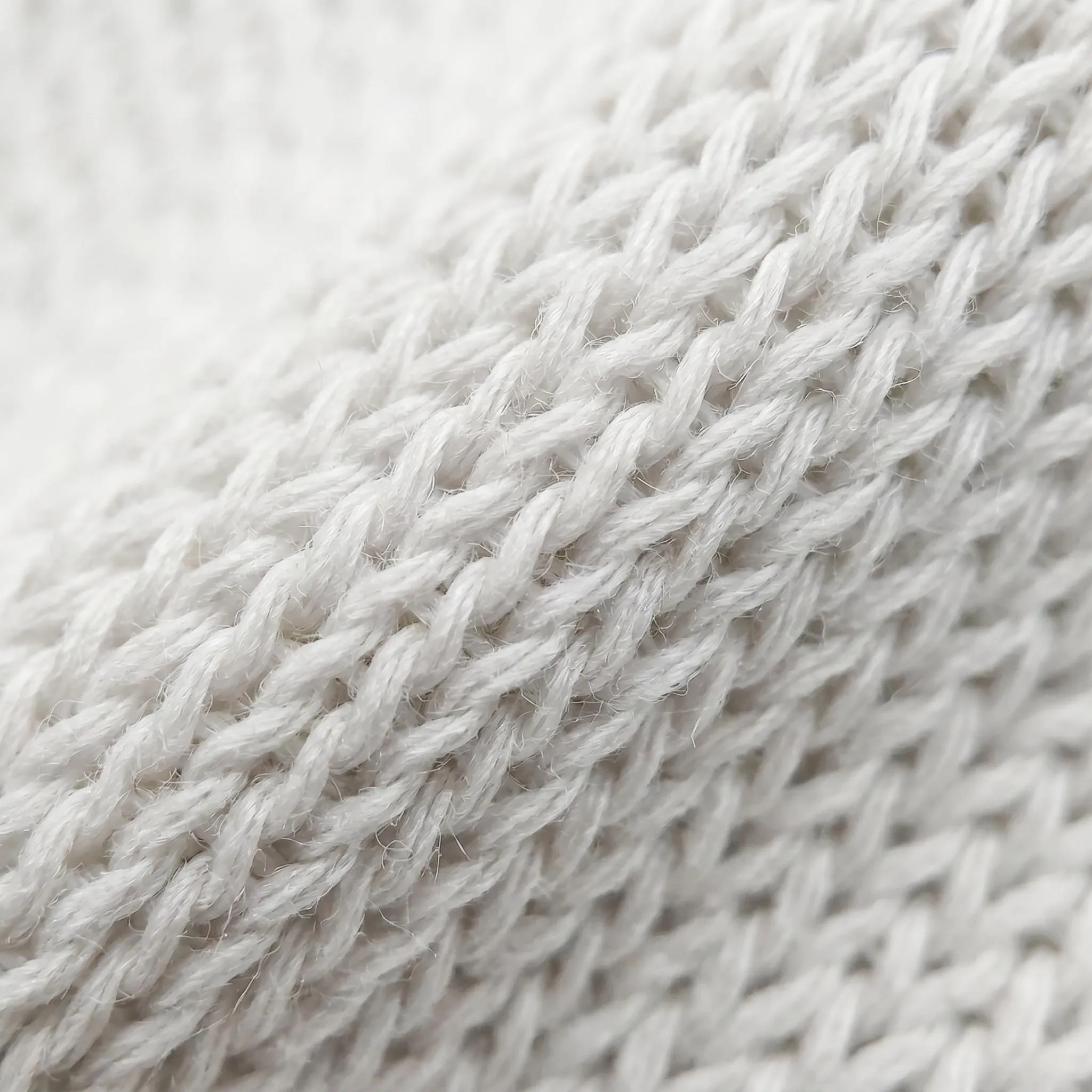
Knitted nylon polyester fabric tends to be somewhat stretchy because of the looped design of the yarn.
Woven nylon polyester fabric typically has a limited stretch when compared to other fabric types. This is caused by the introduction of elastic fibers.
- Elastane or Spandex utilization
In performance clothing, manufacturers often augment nylon polyester with elastane (spandex) to increase stretch. In this instance, stretch is primarily derived from elastane, rather than from nylon or polyester.
Comparison of Nylon, Polyester, and Nylon Polyester Blends
| Propriété | Nylon | Polyester | Nylon Polyester Fabric |
| Résistance à la traction | Très élevé | Haut | Très élevé |
| Natural Stretch | Modéré | Faible | Low to Moderate |
| Résistance à l'abrasion | Excellent | Bon | Excellent |
| Absorption de l'humidité | Plus élevé | Very Low | Faible |
| Résistance aux UV | Modéré | Haut | Améliorée |
| Cost Efficiency | Modéré | Haut | Équilibré |
This comparison illustrates why nylon polyester fabric is widely adopted for applications requiring both durability and dimensional stability.
Performance Characteristics of Nylon Polyester Fabric
- Robustness and Resistance to Abrasion
Nylon fabric that is polyester-based has an exceptional performance in high-wear areas. Nylon has a superior ability to abrade, while polyester increases the resistance of the material to deformation and pilling. This amalgamation is particularly beneficial to backpacks, luggage, workwear, and upholstery.
- Moisture Control
Polyester’s low moisture-absorption capacity helps fabric dry up quickly, while nylon’s higher capacity to absorb moisture improves the comfort of the fabric against the skin. They combine this with a moisture profile that is both balanced and appropriate for sportswear and casual clothing.
- Temperature stability
Nylon polyester blends have a wide temperature range that maintains structural integrity. Polyester increases the heat resistance of the fabric, while nylon maintains the flexibility of the fabric, which makes it suitable for both cold-weather gear and warm climates.

Common Applications of Nylon Polyester Fabric
- Fashion and Healthy Living
Nylon fabric is commonly utilized in jackets, athletic shorts, leggings, and uniforms. Its long-lasting and moisture-regulating properties both contribute to comfort and longevity.
- Technical and Outdoor Clothes
In tents, sleeping bags, and protective covers, nylon polyester fabric has a weather-resistant, tear-resistant, and lightweight composition.
- Business and Professional Utilities
Conveyor belts, filter cloths, and additional cloths that benefit from the mechanical stability of nylon polyester combinations.
Sustainability Considerations
Sustainability is now a significant component of the fabric’s selection; this is especially true of brands and manufacturers that focus on environmental responsibility.
- The Origin of the Data and Its Use
Both nylon and polyester are derived from petroleum:
Polyester: lower consumption of energy during creation
Nylon: Increased energy and water consumption, but longer lifespan.
Combining these fibers can enhance the stability of the fabric, decreasing the frequency of replacement needed.
- Recycled Fiber Opportunities
Recycled polyester (rPET) is common and is typically sourced from PET bottles.
Recycled nylon (e.g., regenerated nylon) is becoming more popular in superior and athletic fabrics.
Using reusable content reduces the carbon footprint significantly and decreases the dependency on fresh raw materials.
- Fabric longevity and environmental impact
Durable fabric fibers contribute to the sustainability of the fabric by:
Reducing the frequency of replacement
Lowering the total volume of consumable material over the course of time
Minimizing the generation of waste.
Nylon blends that are polyester-based often have a longer lifespan than single-fiber fabric.
- Microfiber considerations
Both fibers can release small plastics during the washing process. Mitigation tactics include
More compacted fabric designs
High-quality fibers
Fiber optic cable surface treatments that diminish the breakage of fibers
Brands are increasingly concerned with this aspect of product development.
- End-of-life Adversities
Blended fabric is more difficult to salvage than single-fiber fabric. However, industry innovation is now moving towards:
Recycling chemicals through chemical means
Design approaches that are intended to be repeated.
Alternative methods that are single-purpose when addressing recycling are prioritized.
How to Choose the Right Nylon Polyester Fabric?
Selecting the appropriate nylon fabric type is dependent on understanding the behavior of each fiber in real-world scenarios and how they are combined. While both are synthetic fibers, their properties that directly affect comfort, durability, cost, and practical application differ.
- Understanding the importance of performance
Start with a definition of what is most important to your application:
Durability and strength – Nylon-rich fabric is exceptional.
Stability of dimensions and resistance to wrinkles- polyester is superior
Moisture control → Depending on the finish and weave, not just the type of fiber.
Weight and feel of the hand → Nylon is typically more malleable, polyester is more brittle
Having the capacity to determine whether strength, shape retention, or comfort is the most important aspect helps to reduce the number of options.
- Compare Key Material Properties
| Propriété | Nylon | Polyester |
| Résistance à la traction | Très élevé | Haut |
| Résistance à l'abrasion | Excellent | Bon |
| Moisture absorption | Plus élevé | Very low |
| Shape retention | Modéré | Excellent |
| résistance aux UV | Modéré | Excellent |
Blended fabrics balance these properties, making them ideal for apparel, outdoor gear, and technical textiles.
- Correspond the design of the fabric to the intended purpose.
Outdoor and sportswear: Nylon-polyester combinations have the strength, weight, and weather resistance needed for sports.
Everyday apparel: Polyester-based blends have a resistance to wrinkles and are easy to care for.
Industrial or protective textiles: Nylon-rich fabrics have a superior resistance to tear and are tough.
Travel and activewear: Balanced combinations have a long lifespan while still providing a lot of comfort.
- Think about the fabric’s construction and completion.
The type of fiber chosen alone cannot describe the performance. The type of weave (plain, twill, ripstop), the size of the yarn, and the treatment of the surface (PU coating, DWR, or anti-pilling) have a significant impact on the final fabric’s behavior.
- Consider the Cost and Life Cycle value of the product.
Polyester is typically more budget-friendly, while nylon increases the cost of the material but improves its longevity of the material. For long-term use, higher initial costs may be compensated by a longer service life.
FAQ: Nylon Polyester Fabric
Is the fabric made of nylon and polyester, both breathable and water-resistant?
Breathability is influenced by the fabric’s structure instead of the fiber type. Knitted and meshed fabric structures have a greater airflow than densely woven fabrics.
Does polyester fabric from nylon have a shrinking effect?
Nylon polyester blends are dimensionally consistent and typically have a resistance to shrinkage; this is especially true when the material is heat set during production.
Is the nylon fabric suitable for casual wear in the summer?
Yes, this is particularly common in designs with moisture-retaining features and lightweight structures.
Can the nylon polyester fabric be impermeable?
The fabric is not waterproof, but coatings and laminations can enhance its water-resistant or waterproof capabilities.
Is polyester fabric composed of nylon more beneficial than cotton?
For consistency, moisture regulation, and longevity, nylon polyester fabric is superior to cotton. However, cotton may have superior softness and a natural, breathable fabric.
Conclusion
Nylon fabric derived from polyester represents a scientifically designed harmony between strength, stability, and versatility. While it isn’t inherently highly stretchy, its capabilities can be altered through methods of construction and the composition of fibers. For companies that seek dependable, scalable, and high-performance fabric solutions, nylon polyester is still one of the most popular options in the global fabric market.