Skip to content

Article Summary:
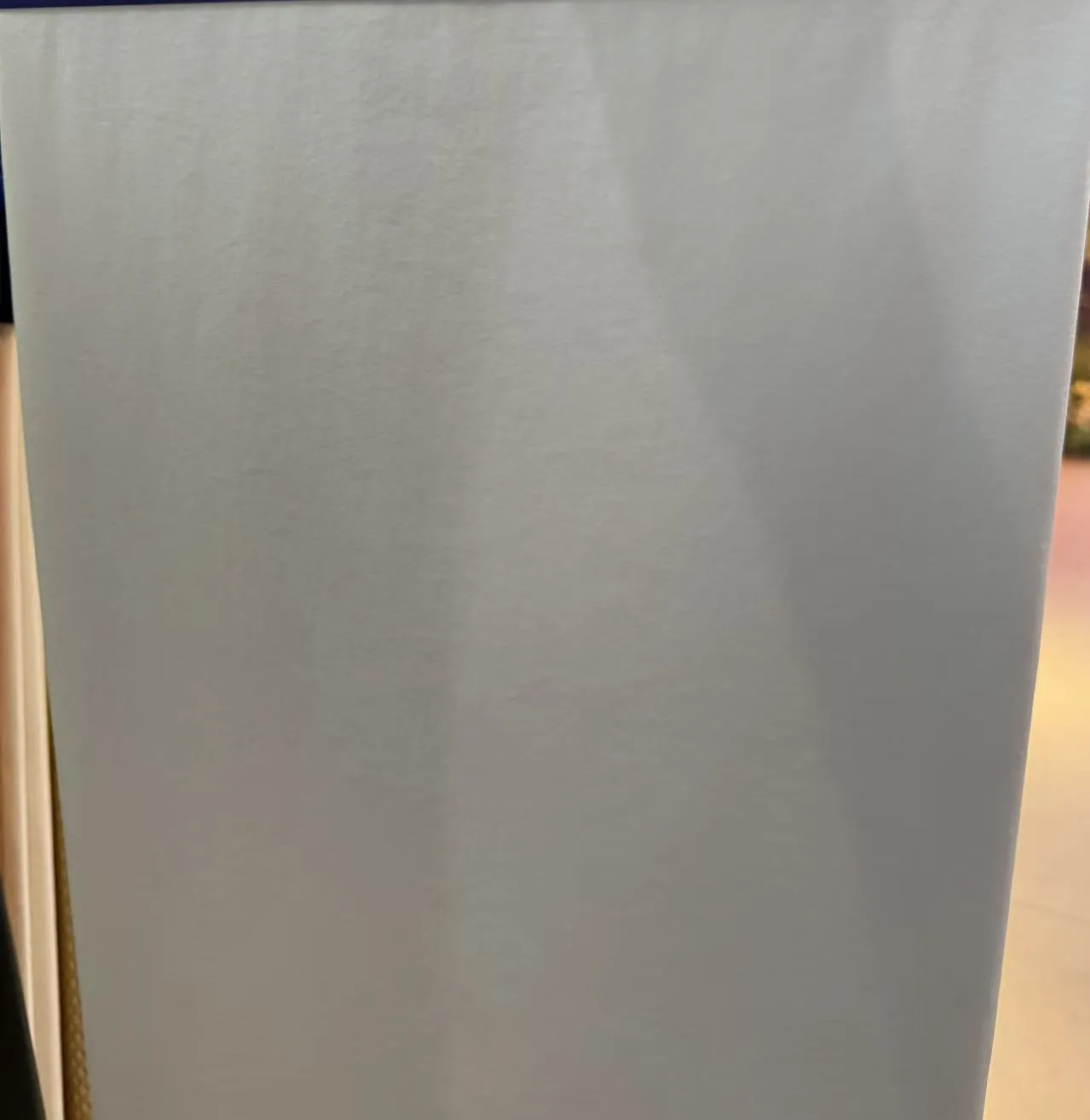
Nylon taffeta is commonly utilized in outerwear, linings, uniforms, and technical apparel because of its lightweight composition, smooth surface, and superior strength-to-weight ratio.
Whether or not nylon taffeta can be cleaned directly affects the performance, longevity, and appearance of garments. Kadolph’s Textiles (Pearson Education) and Saville’s Physical Testing of Textiles, fibers made of nylon have a high tensile strength and an abrasion-resistant nature, but they are also sensitive to heat and long-term mechanical stress. During the laundering process, these fibers are susceptible to these properties.
Additionally, the care-labeling guidelines of ASTM D543 and AATCC indicate that improper washing methods can lead to deformation, loss of fabric coating, and surface damage in nylon taffeta fabric. 、This article provides a detailed, industry-wide analysis of whether or not nylon taffeta can be cleaned, how to safely clean it, and the effect of cleaning on the durability, performance, and value of the product.
Introduction: Can you wash nylon taffeta?
The query “Can you clean nylon taffeta?” reflects a lot more than the basic interest in garment care.
Nylon taffeta has a unique association with the textile industry. It’s considered to be long-lasting, technical, and resilient, but many users are still unsure about its washability. This article attempts to address the gap by studying the science of fibers, the structure of fabric, the treatment of finish, and the safety of laundering in real-world situations.
What is nylon taffeta from a textile engineering perspective?
Nylon taffeta is a fabric that is densely woven and composed of nylon flannel yarns. Its distinguishing traits include a smooth surface, a sense of comfort, and the ability to resist tears. Unlike fabric that is knitted, nylon taffeta has a limited stretch that contributes to the stability of the fabric, but it also increases the sensitivity of the fabric to heat and movement.
From a fiber’s perspective, nylon (polyamide) is hydrophobic, which means it takes little water. This property facilitates the rapid drying of nylon taffeta; however, it also makes the material susceptible to heat-induced deformation during washing and drying. Textile literature has consistently documented that the thermoplastic nature of nylon causes it to soften at a lower temperature than natural fibers. This is of great importance in the design of wash conditions.

Can nylon taffeta be washed? The short answer vs the correct answer
The short answer is yes, taffeta fabric can be cleaned. However, the genuine, professional response is more complex: nylon taffeta is only safe to wash in controlled conditions. Whether or not to wash the fabric is based on the fabric’s weight, treatments for final use, coatings, and the intended result.
How does washing affect nylon taffeta at the fiber level?
When taffeta is composed of nylon, the fiber is primarily stable due to the low moisture capacity of the material. However, mechanical movement and heat have significant dangers. Saville’s research on textile testing suggests that repeated flexing in wet conditions can adversely affect the alignment of filaments; this is particularly true of dense fabrics like taffeta.
Additionally, heat can cause the nylon fibers to swell or melt on the surface, resulting in a loss of shine or permanent creasing. This is why professional recommendations consistently advocate for low-temperature washing of nylon taffeta.
The role of fabric finishes and coatings
Many nylon taffeta fabric is enhanced with additional features, including water-resistant (DWR) coatings, polyurethane encasements, or anti- Static treatments. These accomplishments have a significant impact on the capacity to be washed.
Washing nylon taffeta with harsh detergents or high temperatures can adversely affect the coating or lead to it breaking. Industry sources often remarked that coated nylon taffeta should be gently washed only when necessary, as washing promotes the rapid degradation of performance while still maintaining the fabric’s originality.
Machine washing vs hand washing nylon taffeta
- Other considerations regarding machine washing
It’s possible to machine-wash nylon taffeta, but only in a mild setting. The cycle of agitation should be limited, and the water temperature must remain low. Front-loading machines are more popular because they have less mechanical stress than top-loading machines that lack agitators.
- Other considerations regarding hand washing are included
Hand washing is more effective and is typically recommended for lightweight or coated nylon taffeta. Gentle slithing and minimal pulling away from the seams and fabric’s surface reduces the stress on the fabric and seams. From a professional perspective, the practice of hand washing significantly increases the life of garments when nylon taffeta is employed as the outer shell or lining.
Water temperature: the single most critical factor
The data on textile testing consistently indicate that water temperature is the most significant component in the washing of nylon taffeta. Warm or hot water will cause the fiber to relax and the surface to be distorted. Cool water maintains the alignment of filaments and the structure of fabric.
This concords with the AATCC’s care labeling guidelines, which recommend that fibers made of thermoplastic should be laundered in cold water. These fibers are used in fabric that is densely woven.
Detergent selection and chemical compatibility
Not all detergents are appropriate for treating nylon taffeta. Alkaline detergents, as well as those containing bleach, are capable of degrading the strength of nylon over time. Mild, pH-neutral detergents are most preferred to avoid chemical destruction.
Softeners that are fabricated are typically prohibited because they can leave behind residues that adversely affect the breathability of the fabric and negatively impact the performance of coatings. This specific detail is frequently disregarded in consumer-focused articles, but it’s commonly recognized in professional textile advice.
Drying nylon taffeta: air drying vs machine drying
The practice of drying has a significant effect on the lifetime of nylon taffeta. Air drying is greatly recommended; this procedure eliminates the exposure to heat and reduces the mechanical stress. Hanging or flat placement prevents wrinkling and maintains the surface’s smoothness.
The process of machine drying, even at a low temperature, carries a risk. Nylon taffeta will deform or become permanently wrinkled if subjected to heat for a long period of time. Many high-end nylon taffetas that are explicitly designed to avoid tumble drying have this attribute.
Ironing and post-wash care
If ironing is necessary, nylon taffeta should be ironed at the lowest temperature possible, this should ideally be done with a pressing fabric. Direct sunlight can lead to glazing or melting. Steam should be employed with caution; over-exposure to the steam, combined with humidity, can adversely affect the fabric.
From a professional perspective, steaming from a distance is typically safer than direct ironing.

Table: Recommended washing practices for nylon taffeta
| Care Aspect | Recommended Practice | Risk if Ignored |
| Water temperature | Cold water only | Fiber relaxation, puckering |
| Washing method | Gentle cycle or hand wash | Surface abrasion |
| Detergent | Mild, neutral pH | Fiber weakening |
| Bleach | Never use | Permanent damage |
| Drying | Air dry | Heat deformation |
| Ironing | Low heat with cloth | Melting or shine |
Application-based washing guidance
- Nylon fabric outerwear
Outerwear composed of nylon taffeta is often enhanced with coatings or supplements. Washing should be occasional and mild. Spot cleaning is most preferred for maintaining the performance properties.
- Nylon fabric linings
Lining fabric’s porosity is lower, but it is still subject to frequent physical contact. Gentle cleaning is typically safe, but care instructions should be followed.
- Nylon fabric uniforms and workwear
In manufacturing contexts, nylon taffeta can be designed to have multiple washes. Even then, following protocols that involve low temperatures is crucial to maintaining appearance and having a good look.
Common washing mistakes and their consequences
- Washing in warm water
Mistake: Using too hot or too warm water.
Consequences:
fabric shrinking or sagging
The loss of wrinkling and original shape
Increased folds
The most effective: Rinse in cold or warm water only.
- Employing harsh or basic detergents
Mistake: Heavy-duty cleaning agents, such as bleach or alkaline compounds, are used.
Consequences:
Fiber erosion
Coloring or yellowing
Decreased fabric durability
Best practice: Employ a mild, neutral cleaning agent.
- Excessive Washing Machine loading
Mistake: Having too many items in the wash cycle.
Consequences:
Over-exposure to the elements leads to surface deterioration
Constant folds and pressure stains
Uneven cleaning
The most effective: Clean with sufficient space or utilize a mesh laundry bag.
- High-Speed Spitting
Mistake: employing aggressive marketing strategies
Consequences:
Deep wrinkles that are difficult to eliminate
Destructive effects of clothing design
Seam stress and tension
Best practice: Select a slow or low-spin rotation.
- Combining with Crude Fabrics
Mistake: The washing of nylon taffeta with denim, towels, or clothing with zippers.
Consequences:
Snagging and pulling
The surface of the object is covered with numerous small scratches or pills.
permanent fabric damage
Best example: Clean with a similar lightweight fabric.
- High temperature tumbling drying
Mistake: High-temperature drying with a tumbler
Consequences:
Heat damage and the potential for melting.
Sheen loss and stiffness
Deformation and shrinkage of the fabric
Best practice: Air dry or utilize low-heat tumble drying if possible.
- Avoiding the immediate removal of the wash
Mistake: Allowing clothing to remain in the machine after being washed.
Consequences:
Involved wrinkles
Odor progression
Darker color transfer
Best practice: Remove clothing immediately and reconfigure during wetness.
- High temperatures are used for ironing
Mistake: Using cotton or linen as the material for the setting.
Consequences:
fabric burning or melting
Glistening burn scars
Constant damage to the texture
Best practice: Iron on low heat with a pressing pad or distance-based steam.
Sustainability and lifecycle considerations
- The Origin and Impact of the Product
Nylon is a chemical polymer derived from chemical compounds. This term means:
High consumption of energy during the polymerization process.
More significant carbon footprint than other fibers.
The application of chemical processes that are sensitive to environmental conditions.
However, modern manufacturing has increased efficiency and reduced emissions.
- Product Lifespan and Durability
One of the most notable benefits of nylon taffeta is its long service life:
High tensile strength and resistance to abrasion
Maintains the structure of the product through frequent use.
Less frequent cleaning or repair compared with a weaker fabric.
A longer lifespan decreases the total amount of resources used.
- Heavier weight Efficiency
Nylon taffeta is extremely thin. This material:
Reduces the amount of material used per item of clothing.
Lower the transportation emissions of carbon dioxide.
Facilitates the efficient transmission of energy in logistics.
This promotes the positive aspect of its lifecycle.
- Recycled and Bio-Based Nylon Subtypes
Sustainability is greatly enhanced by:
Re-used nylon (e.g., wasted material from previous projects or from consumers’ own disposal)
Recycled nylon that is derived from fishing lines or industrial debris.
Alternative bio-based fibers for nylon production
These options diminish the dependency on virgin fossil supplies.
- Water and chemical solvents in the final process
While nylon is itself less water-intensive than other natural fibers.
The process of dying and completing may require chemicals.
Durable water repellents (DWR) can cause environmental concerns.
Low-effort dyes and fluorine-free coatings increase the sustainability of the product.
- Micro plastic Considerations regarding Shedding
Similar to other synthetic textiles, nylon taffeta can:
Release small fibers during the wash.
Help with microplastic pollution.
Strategies for mitigating include more stringent weaves, treatments for fabric, and guidance for consumers on the proper way to wash their clothing.
- End-of-life Adversities
Nylon fabric is:
Not environmentally friendly
Hard to recycling if mixed with other fibers or coatings.
Designing for recyclability, such as with a single material composition, helps to increase circularity.
- Certificates and Accountable Sourcing
The sustainability assessment should include the following:
Recycled content verification (e.g., GRS)
Chemical safety standards (OEKO-TEX)
Practices” transparent” supply chain management.
Certifications increase credibility and compliance.
Foire aux questions (FAQ)
Q1: Is it possible to use nylon taffeta in the washing machine?
Yes, nylon taffeta can be machine-washed on a soft cycle with cold water and mild detergent, but hand washing is safer for delicate or encased fabric.
Q2: Will washing destroy nylon fabric?
Washing will not adversely affect nylon taffeta if conducted correctly. Incorrect washing–particularly with heat–can lead to permanent harm.
Q3: Can nylon taffeta be shrink-wrap in the wash?
Nylon taffeta is unable to shrink like natural fibers, but it can be deformed or warped when exposed to heat.
Q4: Is dry cleaning more effective than washing nylon taffeta?
Dry cleaning is appropriate for formalwear that has a lot of fabric or is heavily coated, but it also may degrade the finish over time.
Q5: How frequently should nylon fabric garments be cleaned?
Only when it’s necessary. Spot cleaning and airing out are frequently sufficient between washes.
Conclusion: Washing nylon taffeta the right way
Can you clean nylon fabric? The response is yes, but only with careful monitoring. Nylon taffeta’s strength and resilience are balanced by its sensitivity to heat and stress. When cleaned with cold water, handling that is gentle, and using appropriate detergents, nylon taffeta clothing can maintain its performance, appearance, and structural integrity for a long time.
For fabricators, brands, and consumers, understanding the science of nylon taffeta cleaning is not solely about avoiding damage; it’s also about maximizing the value of the product and its lifespan. Effective care converts nylon taffeta from a malleable fabric to a dependable, long-lasting textile solution.