Overslaan naar inhoud

Introductie
Modern textile sourcing often presents a persistent challenge: finding a single fabric that balances high performance with low weight, durability with softness, and precise technical specifications with cost efficiency. Designers and procurement teams frequently manage multiple material SKUs to meet these competing requirements.
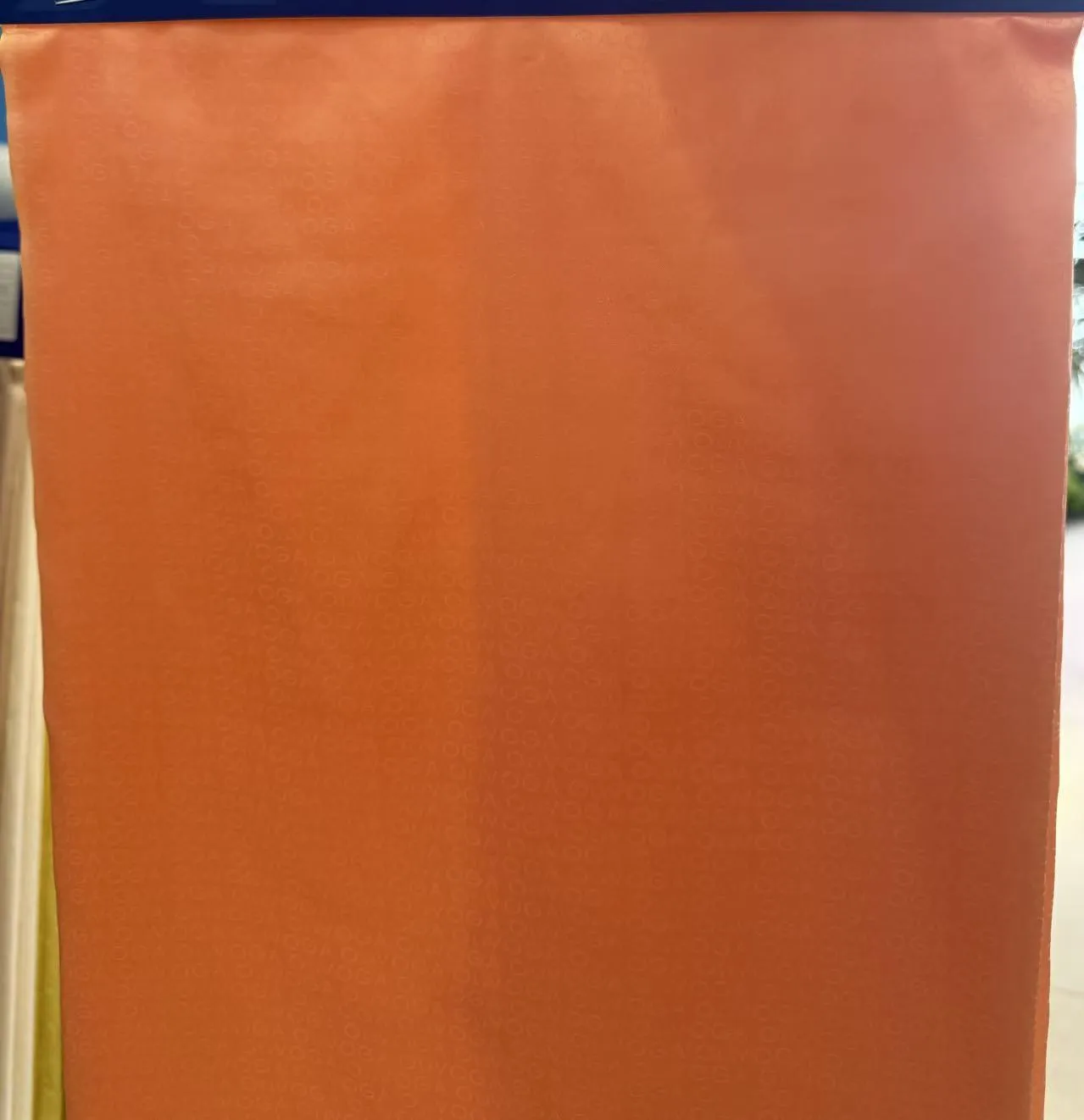
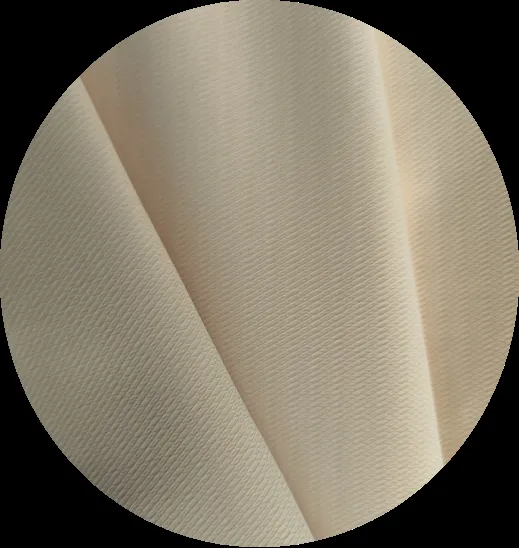
De 380T 0,15 Raster Chunya stof met dubbele lijn addresses this challenge effectively. This high-density polyester fabric features a 380-thread-count construction, a distinctive double-line grid weave, and an ultra-light 0.15 mm profile. Together, these characteristics create a versatile material that performs well across two key applications: lightweight apparel—such as down jackets and windbreakers—and home textiles that require both durability and a refined aesthetic.
Understanding the Specification: What “380T 0.15” Actually Means
Before examining the fabric‘s applications, it is helpful to decode the technical nomenclature embedded in its name. Each component of the designation communicates a specific performance characteristic.
380T: Extreme Density for Functional Performance
The “T” suffix denotes thread count—specifically, the total number of warp and weft yarns packed into a single square inch of fabric. At 380T, this Double-Line Grid Chunya Fabric achieves an exceptionally tight weave structure. For context, standard polyester taffeta fabrics typically range from 170T to 210T; premium lining materials may reach 300T. At 380T, the fabric enters a category where the weave becomes so dense that it naturally impedes air penetration and down feather migration—key requirements for insulated outerwear.
This high density is achieved using ultra-fine denier yarns, typically 20D or 30D polyester filaments, which allow for maximum thread packing without creating excessive stiffness. The resulting fabric exhibits a smooth, uniform surface that resists snagging and maintains its structural integrity through repeated wear and laundering cycles. For brands seeking a Double-Line Grid Chunya Fabric that balances extreme fineness with robust construction, the 380T specification represents a proven technical standard.
0.15 mm: The Lightweight Advantage
The 0.15 designation refers to the fabric‘s thickness—approximately 0.15 millimeters, or 150 microns. This ultra-thin profile, combined with a finished weight of approximately 84 grams per square meter, places the material firmly in the lightweight category. Despite this minimal mass, the high-density construction ensures the fabric does not feel flimsy or transparent—a common concern with lower-density lightweight materials. Product developers who test a Double-Line Grid Chunya Fabric swatch are often surprised by how substantial it feels despite its low gram weight.
The Double-Line Grid: Visual Distinction Meets Structural Reinforcement
The double-line grid refers to a distinctive weave pattern where paired yarns create a subtle, repeating grid structure across the fabric surface. This is not a printed pattern but an integrated architectural feature of the weave itself. The grid formation enhances the fabric’s dimensional stability—preventing skewing and distortion during cutting and sewing—while simultaneously elevating the aesthetic beyond that of a standard plain weave.

Performance Characteristics That Drive Product Value
Down-Proof and Wind-Resistant Properties
Perhaps the most technically significant attribute of this 380T Chunya fabric for garment lining is its inherent down-proof capability. The 380T density creates a physical barrier so tight that down feather quills cannot penetrate the weave structure. This eliminates the need for additional calendaring or coating processes in many applications, reducing both production steps and material costs. Manufacturers report that high-density constructions like 380T can reduce feather leakage by approximately 30% compared to standard-density alternatives.
The same dense weave that contains down also blocks airflow, making the fabric an effective wind barrier. This dual functionality makes it particularly valuable for outerwear applications where both insulation retention and wind protection are essential performance requirements. Sourcing managers who specify a Double-Line Grid Chunya Fabric for windbreaker shells often note improved end-user satisfaction due to reduced chill penetration.
Lightweight Comfort Without Compromise
At 84 grams per square meter, this lightweight Chunya fabric for clothing delivers exceptional wearability. Garments constructed with this material avoid the bulky, restrictive feel that heavier fabrics impose. For down jackets, this translates to packable warmth—the garment compresses easily for travel while providing full insulation when worn.
The lightweight nature also benefits home textile applications. Curtains, bedding components, and decorative textiles made from this 0.15 Chunya fabric for home textile projects hang gracefully without excessive weight that could strain hardware or create cumbersome handling during laundering. Interior designers increasingly specify a Double-Line Grid Chunya Fabric for drapery when they require both soft movement and long-term durability.
Durability Through Structural Design
The double-line grid weave pattern contributes more than visual interest. By pairing yarns in a structured grid formation, the weave increases the fabric‘s tensile strength and abrasion resistance. Laboratory testing on comparable grid-weave polyester fabrics demonstrates tear strength improvements of 15-20% over equivalent plain weave constructions.
This durability translates directly to end-user satisfaction. Garments resist tearing at stress points; home textiles withstand repeated use and cleaning cycles without developing thin spots or seam slippage. The Double-Line Grid Chunya Fabric thus provides a measurable performance advantage over standard taffeta or plain-weave alternatives.
Aesthetic Versatility
De double line grid Chunya fabric polyester construction delivers a refined, subtly textured appearance that bridges the gap between technical performance materials and fashion-forward textiles. The grid pattern provides visual depth without overwhelming the surface, allowing the fabric to function equally well as a visible shell material or a concealed lining.
For apparel applications, this aesthetic versatility supports both outdoor performance gear and urban commuter fashion. For home textiles, the subtle texture adds visual interest to curtains, pillow covers, and light upholstery without competing with other decorative elements in the space. Because the Double-Line Grid Chunya Fabric accepts dye uniformly, brands can achieve consistent color matching across production runs.
Primary Application Scenarios
Outdoor Apparel and Performance Wear
The 380T 0.15 Double-Line Grid Chunya Fabric finds its most demanding applications in the outdoor apparel sector. The combination of down-proof performance, wind resistance, and minimal weight makes it an exceptional candidate for:
-
Down jacket shells and linings: The dense weave contains insulation while providing a smooth, comfortable surface against the body.
-
Windbreakers and lightweight shells: The fabric‘s wind-blocking properties eliminate the need for additional membrane layers in mild conditions.
-
Packable travel outerwear: The ultra-light 84 gsm weight allows garments to compress into small volumes for easy packing.
-
Outdoor pants and vests: The durability of the grid weave withstands abrasion from packs and activity while maintaining comfort.
Industry feedback indicates that brands sourcing this material—specifically the Double-Line Grid Chunya Fabric—for down jackets report reduced returns related to feather leakage and improved customer satisfaction scores regarding garment weight and packability. Several major outdoor apparel companies have recently transitioned their ultralight shell programs to a Double-Line Grid Chunya Fabric specification.
Home Textile Applications
While primarily marketed for apparel, the characteristics of this 380T grid structure polyester fabric translate effectively to the home textile category. The material‘s combination of lightweight drape, durability, and refined appearance suits several residential applications:
-
Sheer and semi-sheer curtains: The fabric’s light weight and subtle grid texture create elegant window treatments that filter light without appearing heavy.
-
Decorative pillow covers: The smooth surface and dimensional stability ensure crisp seams and a professional finished appearance.
-
Lightweight bedding components: The down-proof property proves valuable for duvet covers and pillow protectors containing feather fill.
-
Storage and organization accessories: Garment bags, drawer liners, and closet accessories benefit from the fabric‘s durability and easy-care properties.
The fabric’s polyester composition ensures that home textile products made from this Double-Line Grid Chunya Fabric resist wrinkling, dry quickly after washing, and maintain their appearance through extended use—key considerations for consumers seeking low-maintenance home goods. The Double-Line Grid Chunya Fabric has also gained traction in the hospitality sector for lightweight blackout curtain linings.
Comparison: 380T Chunya Fabric vs. Alternative Materials
The following comparison table illustrates how the 380T Double-Line Grid Chunya Fabric positions against common alternative materials used in similar applications:
| Prestatiemeting | 380T Double-Line Grid Chunya | Standard 210T Polyester Taffeta | 40D Nylon Taffeta | Cotton Broadcloth |
|---|---|---|---|---|
| Thread Count / Density | 380T (high) | 210T (medium) | ~260-300T equivalent | 60-80 thread count |
| Weight (gsm) | 84 | 55-65 | 35-50 | 100-140 |
| Down-Proof Capability | Excellent (no coating required) | Poor (requires coating) | Good (requires calendering) | Slecht |
| Wind Resistance | Hoog | Low-Moderate | Moderate-High | Laag |
| Tear Strength | High (grid-reinforced) | Matig | Hoog | Matig |
| Moisture Management | Fast-drying, non-absorbent | Fast-drying | Fast-drying | Absorbent, slow-drying |
| Weerstand tegen rimpels | Uitstekend | Goed | Goed | Slecht |
| Cost Position | Mid-Range | Economy | Premium | Mid-Range |
| Best Application | Down jackets, windbreakers, and technical home textiles | Budget linings, disposable applications | Premium outerwear, technical gear | Apparel where breathability is primary |
This comparison highlights the 380T Double-Line Grid Chunya Fabric as occupying a strategic middle position—offering premium performance characteristics without the premium price point typically associated with high-density nylon alternatives.
Technical Specifications at a Glance
The following technical parameters define this material‘s capabilities:
-
Gewicht: 84 g/m²
-
Width: 151 cm (approximately 59-60 inches)
-
Composition: 100% Polyester
-
Weave Structure: Double-line grid
-
Density: 380T
-
Dikte: 0.15 mm (nominal)
-
Construction: High-density woven with an integrated grid pattern
When ordering a Double-Line Grid Chunya Fabric for large-scale production, verifying these specifications against the supplier‘s technical data sheet ensures consistency across shipment lots.
Sustainable Sourcing Considerations
Polyester fabrics have evolved significantly in recent years regarding environmental responsibility. The Double-Line Grid Chunya Fabric category increasingly offers options manufactured from recycled polyester (rPET) fibers, aligning with broader textile industry shifts toward circular economy principles.
The 2026 home textile market reflects this trend clearly. Brands highlighting sustainability credentials in their product listings see conversion rates 15-20% higher than those that do not. Third-party certifications such as OEKO-TEX® STANDARD 100 and Global Recycled Standard (GRS) have become purchase decision drivers rather than mere value-adds.
Sourcing managers should inquire about recycled content options and relevant certifications when specifying this fabric. The availability of recycled polyester versions allows brands to maintain the material‘s performance characteristics while supporting sustainability commitments. A Double-Line Grid Chunya Fabric sourced from GRS-certified mills can become a key component of a brand‘s eco-conscious product line. As consumer awareness grows, specifying a Double-Line Grid Chunya Fabric with recycled content is increasingly a competitive differentiator.
Manufacturing and Quality Control Considerations
The production of high-density 380T Chunya fabric requires precise control over weaving parameters. Achieving consistent 380T density across full-width production runs demands calibrated loom tension, uniform yarn quality, and rigorous inspection protocols.
Key quality indicators that fabric buyers should evaluate include:
-
Density consistency: Thread variations count across the fabric width can create weak points where down leakage may occur.
-
Grid pattern uniformity: The double-line grid should maintain consistent spacing and alignment throughout the roll.
-
Dye lot consistency: For colored applications, ensuring minimal variation between production batches is essential for finished product quality.
-
Edge stability: The fabric should resist unraveling and maintain clean edges during cutting operations.
Reputable suppliers of double line grid Chunya fabric polyester products typically provide testing data covering tear strength, colorfastness to washing and light, and dimensional stability. Requesting this documentation before committing to bulk orders represents sound procurement practice. Any Double-Line Grid Chunya Fabric purchase should be accompanied by a valid test report.
Working with 380T Double-Line Grid Chunya Fabric
For designers and production teams new to this material, several practical considerations can optimize results:
Cutting and Handling: The high-density weave produces clean-cut edges with minimal fraying. However, the lightweight nature requires attention during spreading and cutting to prevent shifting. Using adequate pattern weights and sharp cutting tools improves accuracy.
Sewing Recommendations: Fine needles (size 70/10 or 80/12) and high-quality polyester thread produce the best seam appearance. The fabric‘s stability allows for narrow seam allowances where design specifications require them. For down-filled products, French seams or bound seams provide additional security against feather migration through stitch holes.
Finishing Considerations: The fabric’s inherent down-proof capability may eliminate the need for additional finishing processes. However, for extreme performance requirements, compatible coatings can be applied to further enhance water repellency or add specific functional characteristics.
Care and Maintenance: Garments and home textile products made from this Double-Line Grid Chunya Fabric benefit from the easy-care properties inherent to polyester. Machine washing in cool water and line drying or low-heat machine drying preserve the fabric‘s appearance and performance. The material resists shrinking and maintains color fastness through repeated laundering cycles.
Sourcing and Supply Chain Insights
De 380T 0,15 Raster Chunya stof met dubbele lijn represents a specialized textile category that benefits from established production expertise in key manufacturing regions. The Chunya fabric category, an established polyester textile variety, has maintained market relevance through continuous refinement and adaptation to contemporary performance requirements.
When evaluating potential suppliers, consider:
-
Minimum order quantities (MOQs): Specialized high-density fabrics may carry higher MOQs than commodity textiles.
-
Lead times: Custom color development and finishing processes extend standard production timelines.
-
Sampling availability: Reputable suppliers provide sample yardage for evaluation before production commitments.
-
Customization options: Width adjustments, specific coating applications, and color matching services vary by manufacturer.
The fabric‘s 151 cm width provides efficient material utilization for most apparel and home textile patterns, minimizing waste and optimizing cost-per-unit calculations. Procurement teams that forecast annual volumes accurately often secure better pricing for Double-Line Grid Chunya Fabric orders.
FAQ
1. What does the “380T” designation actually mean?
“380T” indicates 380 threads per square inch, representing an extremely high-density weave that creates a tight, durable fabric structure with excellent down-proof and wind-resistant properties.
2. Is this fabric suitable for machine washing?
Yes. The 100% polyester composition resists shrinking and maintains color fastness through machine washing in cool water with low-heat drying.
3. Can this fabric be used for home textile applications?
Absolutely. Its lightweight drape, subtle grid texture, and durability make it suitable for curtains, pillow covers, and lightweight bedding components.
4. How does the double-line grid pattern affect performance?
The grid weave pattern increases tear strength by approximately 15-20% compared to plain weaves and enhances dimensional stability during cutting and sewing.
5. Does this fabric require additional coating for down-proof performance?
The 380T density alone provides sufficient down-proof capability for many applications, eliminating the need for calendering or coating in standard use cases.
Conclusie
The 380T 0.15 Double-Line Grid Chunya Fabric delivers a compelling value proposition for manufacturers and brands operating in both the lightweight apparel and home textile sectors. Its 380T high-density construction provides down-proof and wind-resistant performance without requiring additional coating processes, while the 0.15 mm profile maintains a lightweight, comfortable hand feel that end-users appreciate.
The distinctive double-line grid weave pattern distinguishes this material aesthetically while contributing measurable improvements to tear strength and dimensional stability. These performance characteristics, combined with the fabric‘s versatility across multiple application categories, position it as a strategic material choice that can simplify supply chains and reduce SKU complexity.
For down jacket production, windbreaker manufacturing, or home textile applications requiring durability with refined appearance, this Double-Line Grid Chunya Fabric represents a technically sound, economically sensible selection. The material‘s established manufacturing base, consistent quality parameters, and potential for recycled content alignment further strengthen its position in contemporary textile sourcing strategies.
Ready to explore how the 380T 0.15 Double-Line Grid Chunya Fabric can elevate your next collection? Neem contact met ons op today to request sample yardage, discuss custom color development, or receive detailed technical specifications tailored to your specific application requirements.