콘텐츠로 건너뛰기

Article Summary:
이 228T Matt Nylon Taffeta is a synthetic fabric that is densely woven and is commonly used in apparel intended for performance, equipment that is outdoors, bags, linings, and industrial textiles. Because it combines durability, weightlessness, wind resistance, and cost efficiency, it is popular in the fabric industry.
According to Synthetic Fibers: Nylon, Polyester, Acrylic (Collier and Tortora) and Textiles: Fiber to fabric (Corbman), high-density nylon taffeta fabric in the 200T- 240T range is considered a mature product that is optimized for mass production, compatibility with coating, and functional finishing.
This article provides a comprehensive, industry-oriented description of what 228T matt nylon taffeta is, how it is produced, why it’s important in professional chains of supply, and what it’s used for in apparel, luggage, outdoor gear, and technical areas.
What Is 228T Matt Nylon Taffeta? A Technical Definition
The 228T Matt Nylon Taffeta is a high-density fabric composed of fine nylon yarns that are arranged in a simple weave pattern. The designation “228T” is associated with the number of threads; this is approximately 228 per squareinch of warped and wefted yarns. This density is in the middle-range of nylon taffeta’s fabric density, balancing the compactness of the fabric with its manufacturability.
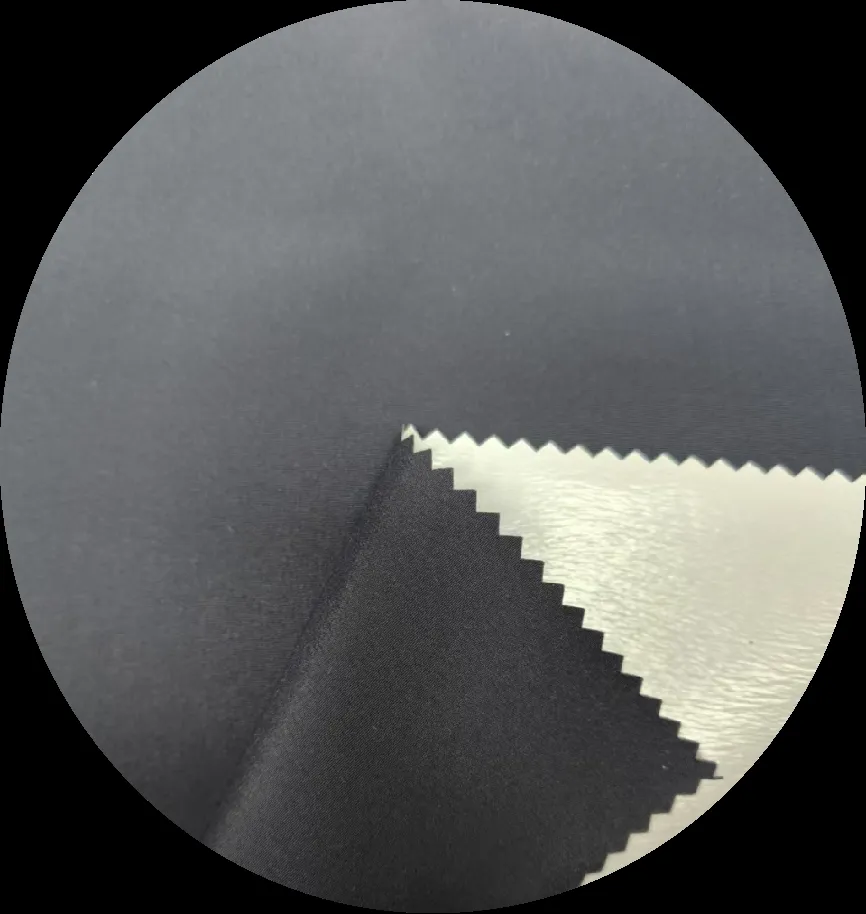
The term “matt” (or matte) is used to describe a surface that is non-glossy and is achieved through the selection of yarns (full or partial dulls) or through post-weaving processing. Unlike the common shiny textile found in fashion linings, matte nylon taffeta is intended for functional and commercial purposes that require glare reduction, an underappreciated aspect, and a tactile softness.

Understanding the “228T” Specification in Nylon Fabrics
The number of threads in synthetic fabric differs from cotton’s bedding function. In nylon taffeta, the number of T’s is directly related to the fabric’s tightness, wind resistance, and waterproofing.
A 228T structure has a sufficient amount of space between the yarns to prevent airflow from reaching the fibers, while still maintaining flexibility and a low weight. Compared to lower concentrations like 190T or 210T, 228T has a significant increase in the stability of its dimensions and tear resistance, but it still lacks the stiffness or cost of the highest concentrations like 260T or 300T.
In global textile supply chains, 228T is typically considered to be the commercial equivalent of a “sweet spot”; it’s dense enough for practical application, but it’s also efficient for mass production.
Matt Finish vs Shiny Finish: Why It Matters?
The quality of the surface of nylon taffeta affects the purpose it serves most directly. Matt taffeta is intended to reduce the amount of light that is reflected; this has both aesthetic and practical implications.
In apparel and gear that is outside, a matte coloration is in harmony with the modern design movement of technical minimalism and muted tones. In applications that are military or industrial in nature, reduced sheen increases the compatibility of camouflage and decreases the probability of detection by the eye.
From a toucher perspective, Matt nylon taffeta is often perceived as having a less plasticky feel and more textile-like properties. This is especially true after calendaring or softening processes. This increases the comfort of the wearer and their perceived quality while not affecting the structural integrity.
Fiber Composition and Yarn Structure
The standard matt nylon taffeta fabric is typically composed of 100% nylon 6 or nylon 6,6, though nylon 6 is more common because of its dye capacity and efficiency.
The fibers are small in diameter (typically 20D-40D), which allows for a high number of threads without overly heavy fabric. Filament fibers offer consistency, smoothness, and strength, while the flat weave promotes a balanced tensile profile in both the warp and the weft direction.
This combination enables the fabric to be highly compatible with coatings, laminates, and functional components, all of which are reasons for its widespread adoption in the industrial sector.
Physical and Mechanical Properties
The 228T matt nylon taffeta has a set of properties that serve as a functional basis for material development in multiple disciplines.
Main characteristics include:
- Lightweight design with significant body.
- High tensile and tear strength in comparison to weight.
- The resistance of natural winds due to the high concentration of trees
- Smooth yet non-reactive surface
- Excellent capacity to color and have a consistent color.
- compatibility with polyurethane, polyacetylene, and triphenylurethane coatings
These properties facilitate the fabric’s consistent performance under multiple stressors, folds, and environmental exposure.
Comparison with Other Nylon Taffeta Specifications
| Specification | Density | Surface Look | Typical Uses |
| 190T Nylon Taffeta | Medium | Semi-gloss | Linings, budget jackets |
| 210T Nylon Taffeta | Medium-high | Shiny or matte | Light outerwear |
| 228T Matt Nylon Taffeta | 높음 | Matte | Outdoor wear, bags |
| 260T+ Nylon Taffeta | 매우 높음 | Matt | Down jackets, premium gear |
This table highlights why 228T matt nylon taffeta is frequently selected for mid-to-high performance products where cost, durability, and appearance must be balanced.
What Is 228T Matt Nylon Taffeta Used For? (Overview)
The applications of 228T matt nylon taffeta span multiple industries due to its adaptable performance profile. It is commonly used in:
- Outdoor and sports apparel
- Bags, backpacks, and luggage linings
- Windbreakers and lightweight jackets
- Sleeping bags and camping equipment
- Industrial covers and protective layers
Each application benefits from the fabric’s density, strength, and finish, while remaining cost-effective for mass production.
Use in Outdoor and Sports Apparel
One primary purpose of the 228T matt nylon taffeta is to be used outdoors. This material is also used in the production of shell jackets that are lightweight and have a windbreak. The fabric’s compact design promotes effective blocking of wind; additionally, its low weight averts bulk.
Unlike heavier fabrics that are woven, 228T nylon taffeta allows designers to create garments that are easy to pack and that will return to their original shape following compression. When combined with breathable fabrics or mesh linings, it promotes comfort while active.
The matte finish also concords with apparel that is dedicated to performance, the design of which is understated and signals technical legitimacy.
Use in Bags, Backpacks, and Luggage
In the luggage and bag manufacturing sector, 228T matt nylon taffeta is widely used as an inner lining fabric and occasionally as a lightweight outer shell.
The fabric resists tearing from sharp edges inside bags while maintaining a clean appearance. Its smooth surface allows easy insertion and removal of items, reducing abrasion on contents.
For OEM manufacturers, the consistency of 228T matt nylon taffeta simplifies sourcing and quality control across large production runs.
Use in Sleeping Bags and Camping Gear
Sleeping bags and camping equipment require fabrics that are lightweight, durable, and compatible with insulation materials. 228T Matt Nylon Taffeta meets these requirements by offering down-proof performance when properly finished, while remaining soft against the skin.
The matte surface minimizes noise during movement, an important comfort factor for sleeping products. Additionally, the fabric’s compatibility with water-repellent finishes improves resistance to condensation and light moisture.
Coating and Finishing Compatibility
One of the strongest advantages of 228T matt nylon taffeta is its excellent compatibility with coatings and finishes.
Common treatments include:
- PU coating for water resistance
- PA coating for enhanced durability
- DWR (Durable Water Repellent) finishes
- Anti-static treatments
- PU milky or clear backing for opacity
The dense weave provides a stable substrate for coatings, reducing pinholes and improving uniformity.
Industrial and Protective Applications
Beyond consumer products, 228T matt nylon taffeta is used in industrial covers, protective sleeves, and equipment linings. Its resistance to tearing and abrasion makes it suitable for applications where materials are frequently handled or folded.
In some cases, flame-retardant or UV-resistant finishes are applied, extending the fabric’s suitability for technical environments.
Breathability and Comfort Considerations
While nylon taffeta is not inherently breathable like open-weave fabrics, 228T matt nylon taffeta achieves a functional balance between air resistance and wearer comfort.
In apparel applications, breathability is often managed through garment design—such as vents, mesh panels, or breathable coatings—rather than relying solely on fabric porosity.
This makes 228T nylon taffeta a reliable outer layer fabric when combined with appropriate garment engineering.
Sustainability and Environmental Factors
From a sustainability perspective, nylon fabrics face scrutiny due to their petroleum origin. However, 228T matt nylon taffeta benefits from long service life, which reduces replacement frequency and overall material consumption.
Increasingly, manufacturers are offering versions made with recycled nylon (GRS-certified), allowing brands to meet environmental targets without changing fabric specifications.
How to Choose 228T Matt Nylon Taffeta for Your Project?
When specifying this fabric, buyers should consider:
- Yarn type (nylon 6 vs nylon 6,6)
- Weight (gsm)
- Finish (calendered, coated, uncoated)
- End-use performance requirements
- Compliance with industry standards
Sampling and lab testing remain essential steps in professional procurement.
Common Misconceptions About 228T Matt Nylon Taffeta
A frequent misconception is that all nylon taffeta fabrics perform the same. In reality, thread count, yarn quality, and finishing processes significantly affect performance.
Another misunderstanding is that matte nylon is weaker than shiny nylon; in fact, surface appearance has minimal impact on mechanical strength.
Market Trends and Demand Outlook
Global demand for mid-density nylon taffeta fabrics remains strong due to growth in outdoor recreation, travel products, and functional apparel.
228T Matt nylon taffeta continues to be specified in OEM contracts because it delivers predictable performance at scale.
Comparison with Polyester Taffeta
| 속성 | 나일론 태피터 | Polyester Taffeta |
| 강도 | 더 높음 | 보통 |
| 부드러움 | Better | Slightly stiffer |
| 비용 | 더 높음 | Lower |
| 수분 흡수 | Slight | Very low |
This comparison explains why nylon taffeta is preferred when durability and feel are priorities.
FAQ: 228T Matt Nylon Taffeta
Q1: Is 228T matt nylon taffeta waterproof?
Not inherently, but it becomes water-resistant or waterproof after coating or finishing.
Q2: Is it suitable for down jackets?
Yes, especially when down-proof finished, though higher thread counts may be used for premium products.
Q3: Can it be recycled?
Yes, recycled nylon versions are increasingly available.
Q4: Is Matt nylon taffeta durable enough for bags?
Yes, it is widely used for bag linings and lightweight shells.
Q5: How does 228T compare to 210T nylon taffeta?
228T offers higher density, better wind resistance, and improved durability.
결론
The 228T matt nylon taffeta is a mature, industry-approved fabric that balances function, beauty, and cost. Its dense structure, matte finish, and versatile final product make it appropriate for a variety of purposes, including apparel for outdoors to industrial textiles.
For companies that want to maintain reliability, scale, and consistent quality, 228T nylon taffeta is still a smart choice in the modern textile supply chain.