Vai al contenuto


Abstract:
Confusion between nylon fabric and taffeta fabric often arises from a misunderstanding of textile classification: nylon is a synthetic fiber (polyamide), whereas taffeta is a particular plain-weave fabric structure that can be produced from silk, polyester, or nylon.
Based on the fundamentals of polymer chemistry described in “Introduction to Polymers” by Robert J. Young, fiber composition influences inherent mechanical properties like tensile strength and moisture absorption. Meanwhile, the weave construction controls surface texture, drape, and structural stiffness, as explained in “Textile Science” by Vilma Rissanen.
International textile labeling standards published by the International Organization for Standardization further distinguish between fiber identity and fabric construction in classification systems.
This comprehensive 2026 guide explains the technical, structural, functional, aesthetic, and commercial differences between nylon fabric and taffeta fabric.
Understanding the Core Difference: Fiber vs. Fabric Structure
To clearly define the difference between nylon fabric and taffeta fabric, we must begin with the classification hierarchy in textile science.
Nylon is a synthetic fiber, specifically a polyamide polymer created through chemical synthesis.
Taffeta is a fabric weave construction characterized by a tightly woven plain weave structure that produces a crisp, smooth surface with slight sheen.
In practical terms:
- Nylon answers: What material is it made from?
- Taffeta answers: How is it woven?
This distinction is critical.
You can have:
- Nylon taffeta
- Polyester taffeta
- Silk taffeta
Therefore, nylon and taffeta are not directly competing categories—they operate at different structural levels within textile classification.

What Is Nylon Fabric? Fiber-Level Technical Analysis
- Chemical Composition
Nylon is a thermoplastic polyamide polymer created through condensation reactions. Its molecular structure features repeating amide linkages that contribute to its strength and flexibility.
Key molecular properties include:
- High tensile strength
- Ottima resistenza all'abrasione
- Low moisture absorption
- High elasticity
- Thermoplastic reshaping capability
These features make nylon fabric popular in performance apparel, outdoor gear, sportswear, and industrial textiles.
- Performance Characteristics of Nylon Fabric
Nylon fabric provides measurable mechanical benefits:
- Strong fiber-to-weight ratio
- High resistance to wear and tear
- Quick-drying properties
- Lightweight structure
- Good recovery after stretching
However, nylon fabric may retain odors more easily than natural fibers and may be less breathable depending on fabric construction.
What Is Taffeta Fabric? Structural and Weaving Perspective
Taffeta fabric is characterized by its weave rather than its fiber content. It is usually woven with a plain weave structure using tightly twisted yarns.
Key Characteristics of Taffeta Fabric
It has a smooth, crisp texture.
It features a slightly stiff drape.
It exhibits a subtle sheen.
It produces an audible rustling sound (“scroop” effect).
It feels lightweight yet structured.
Historically, taffeta was made from silk, but contemporary manufacturing often employs polyester or nylon yarns for increased durability and cost-effectiveness.
Structural Comparison: Nylon vs. Taffeta
Fundamental Differences
| Category | Tessuto in nylon | Taffeta Fabric |
| Classification | Synthetic fiber | Fabric weave type |
| Determines | Material strength & flexibility | Surface texture & drape |
| Assorbimento dell'umidità | Basso | Depends on fiber |
| Texture della superficie | Variable | Smooth & crisp |
| Common Applications | Sportswear, outerwear | Formalwear, linings |
| Fiber Flexibility | Alto | Depends on the yarn |
This table illustrates that nylon fabric refers to the base material, while taffeta fabric refers to the structural method of weaving.
Functional Differences in Apparel Applications
Understanding how nylon fabric and taffeta fabric behave in real-world garments is essential for designers and sourcing professionals.
- Nylon Fabric in Use
Nylon fabric is often used for:
- Activewear
- Swimwear
- Outdoor jackets
- Parachutes
- Luggage
Its flexibility and strength make it ideal for dynamic, high-stress environments.
- Taffeta Fabric in Use
Taffeta fabric is typically used for:
- Evening gowns
- Wedding dresses
- Skirts with volume
- Jacket linings
- Decorative interiors
Its structured drape provides shape retention rather than stretch.
Performance Comparison in the Garment Context
| Caratteristica | Tessuto in nylon | Nylon Taffeta Fabric |
| Stretch | Moderate to High | Basso |
| Structure | Flexible | Crisp & Structured |
| Noise | Quiet | Slight rustle |
| Resistenza alle rughe | Buono | Moderato |
| Traspirabilità | Moderato | Low–Moderate |
| Best For | Movement-focused apparel | Formal structured designs |
This table clarifies that nylon taffeta is a subset combining nylon fiber strength with taffeta weave structure.
Aesthetic and Sensory Differences
Nylon fabric in knit or plain weave forms can feel smooth and elastic. Taffeta fabric, on the other hand, has a distinct crispness and reflective sheen.
Design implications:
- Nylon fabric → Sporty, functional aesthetic
- Taffeta fabric → Formal, elegant appearance
Fashion designers choose between them based on silhouette goals.
Durability and Longevity
Durability is influenced by fiber strength, weave density, coating, and end use.
- Fiber Strength
Tessuto in nylon
It has high tensile strength, excellent abrasion resistance, good elasticity, and strong tear resistance.
Nylon is among the most durable lightweight synthetic fibers.
Taffeta Fabric
Durability depends on fiber content:
- Polyester taffeta offers good dimensional stability.
- Nylon taffeta is stronger and more flexible.
- Silk taffeta is less durable and more delicate.
Weave structure includes a tight plain weave, resulting in a smooth surface and moderate tear resistance.
- Resistenza all'abrasione
Nylon, especially in ripstop or Oxford weaves, provides excellent abrasion performance and is suitable for high-friction environments.
Taffeta:
- Moderate abrasion resistance.
- It is more susceptible to surface wear in lighter weights.
For outdoor or heavy-duty applications, nylon generally surpasses standard taffeta.
- Moisture and Weather Resistance
Nylon:
It is naturally hydrophobic.
It can be coated with PU or silicone.
It is suitable for water-resistant uses.
Taffeta:
It is frequently used as a lining fabric.
It can be coated to provide windproof and water-resistant performance.
Lighter-weight versions tend to be less durable.
In environments exposed to weather, coated nylon usually has a longer lifespan.
- Stabilità dimensionale
Polyester taffeta:
- It has excellent wrinkle resistance.
- It retains its shape.
- It has less stretch compared to nylon.
Nylon:
- Slightly more elastic
- May deform under prolonged stress
For structured, crisp applications, polyester taffeta has an advantage.

Cost Considerations
Material cost varies depending on fiber type, denier, coating, and finish.
- Raw Material Cost
General cost positioning:
- Polyester taffeta → Lower cost
- Nylon taffeta → Mid-range
- Technical nylon (Cordura®, ripstop) → Higher cost
Nylon fiber is usually more expensive than polyester.
- Production Complexity
Cost increases with:
- Higher denier yarn
- Ripstop construction
- Waterproof coatings
- Flame-retardant treatments
- UV protection finishing
Basic lightweight taffeta is often one of the most economical woven fabrics.
- Lifecycle Value
Although nylon costs more initially:
- Longer lifespan
- Higher abrasion resistance
- Lower replacement frequency
In industrial applications, nylon frequently provides improved long-term ROI.
- Apparel Market Pricing
Typical market positioning:
- Polyester taffeta lining → Budget
- Nylon windbreaker shell → Mid-range
- Technical nylon outdoor fabric → Premium
Material selection strongly impacts brand positioning.
Sustainability Comparison
Environmental impact considerations:
Tessuto in nylon
Petroleum-based origin
Non-biodegradable
Increasing recycled nylon options available
Taffeta Fabric
The environmental footprint depends on the fiber used:
- Silk taffeta → Natural but resource-intensive
- Polyester taffeta → Synthetic, recyclable
- Nylon taffeta → Durable but synthetic
Sustainability evaluation requires analyzing both fiber and weave context.
When to Choose Nylon Fabric vs. Taffeta Fabric?
Selection depends on end use, durability requirement, and budget.
Choose Nylon Fabric When:
✔ High strength is required.
✔ Abrasion resistance is critical.
✔ Outdoor performance is needed.
✔ Load-bearing capability matters.
✔ Long-term durability is a priority.
Ideal for:
- Backpacks
- Outdoor jackets
- Tents
- Military gear
- Coperture industriali
Choose Taffeta Fabric When:
✔ A lightweight structure is needed.
✔ Smooth lining is required.
✔ Budget sensitivity is high.
✔ Crisp appearance is desired.
✔ Low-to-moderate stress use.
Ideal for:
- Jacket linings
- Evening wear (silk taffeta)
- Antivento
- Event decorations
- Lightweight rain shells
Special Case: Nylon Taffeta
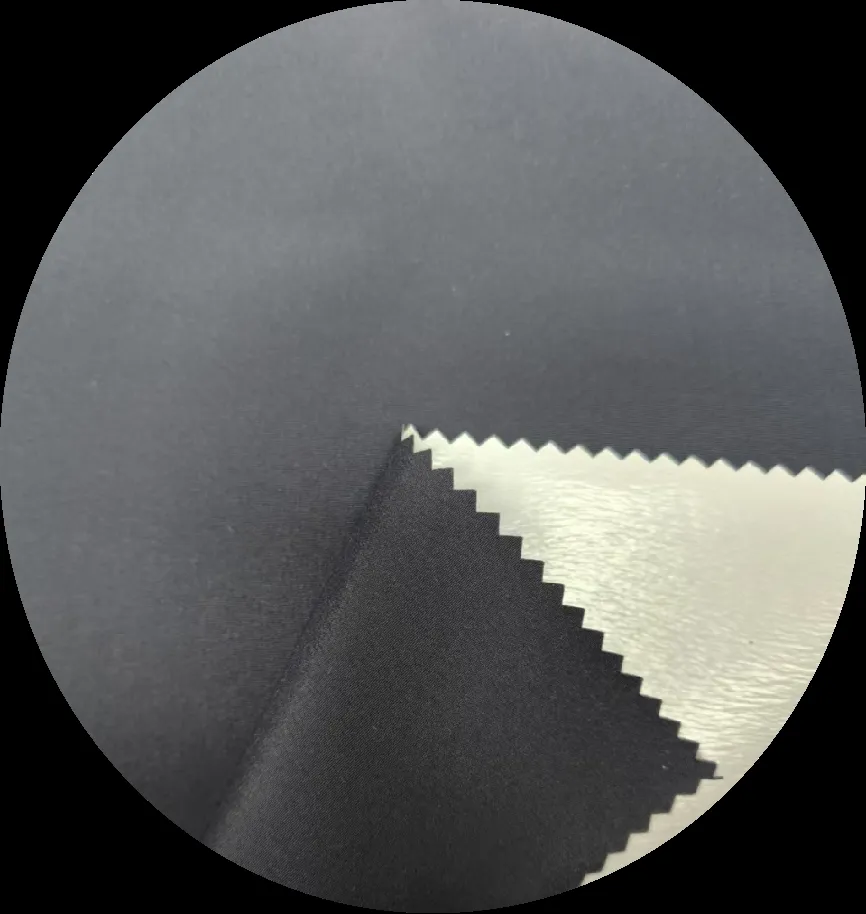
Nylon taffeta combines nylon fiber strength with taffeta weave smoothness. It is often used for down jacket shells, sleeping bag liners, and lightweight outdoor apparel. This hybrid option balances cost and performance.
Industrial and Technical Uses
Beyond fashion:
Nylon fabric → Industrial ropes, airbags, military gear
Taffeta fabric → Umbrellas, lining materials, banners
Each serves different structural functions.
FAQ Section
- Is nylon the same as taffeta?
No. Nylon is a synthetic fiber, while taffeta is a weave structure that can be made from nylon or other fibers.
- Is nylon taffeta durable?
Yes. Nylon taffeta combines nylon’s strength with taffeta’s crisp structure.
- Which fabric is better for evening dresses?
Taffeta fabric is generally preferred for structured formalwear.
- Is nylon fabric breathable?
It depends on the weave and finish. Lightweight nylon can be moderately breathable.
- Does taffeta wrinkle easily?
Taffeta may crease, but generally holds structure well due to tight weaving.
Conclusione
The distinction between nylon fabric and taffeta fabric is based on their classification and purpose. Nylon specifies the fiber’s chemical composition and mechanical properties, whereas taffeta describes the weave pattern and visual appeal. Although nylon focuses on strength and adaptability, taffeta highlights a stiff texture and sophisticated appearance.
In 2026, designers, textile engineers, and sourcing professionals must understand the fiber-versus-weave hierarchy to make informed material choices. Instead of asking which is superior, a more strategic question is: which fiber and weave combination most effectively supports the intended application?
By mastering this distinction, brands can optimize performance, aesthetics, cost efficiency, and sustainability alignment in modern textile production.