Vai al contenuto
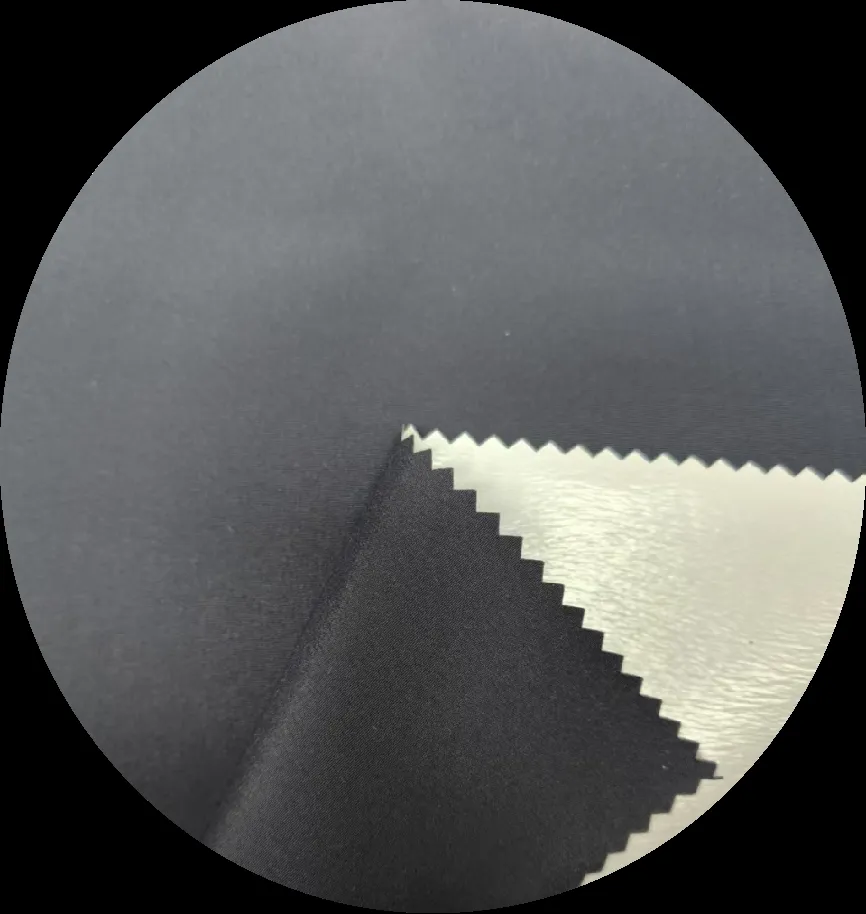


When selecting a mesh fabric for industrial, commercial, or recreational applications, the options can be overwhelming. From polyester and polypropylene to metal wire mesh and specialty nylon variants, each material brings distinct properties to the table. Yet one option consistently stands out for applications demanding a rare combination of strength, flexibility, and durability: nylon grid fabric.
Whether you are sourcing materials for screen printing, filtration, outdoor gear, or architectural shading, understanding the differences between nylon grid fabric and its alternatives is essential. The wrong choice can lead to premature failure, inconsistent performance, or unnecessary cost.
In this article, we will compare nylon grid fabric against other common mesh materials across key performance criteria—strength, elasticity, chemical resistance, temperature tolerance, and cost. By the end, you will have a clear framework for determining which mesh fabric is the right fit for your specific application.
What Is Nylon Grid Fabric?
Before diving into comparisons, it is worth defining what nylon grid fabric actually is. Nylon (polyamide) is a synthetic polymer known for its exceptional tensile strength, abrasion resistance, and elasticity. When woven into a grid or mesh structure—typically with consistent openings ranging from fine to coarse—the resulting nylon grid fabric combines the inherent advantages of nylon with the functional benefits of an open, breathable structure.
Common applications include:
-
Screen printing mesh: Where precise tension and uniform mesh openings are critical.
-
Industrial filtration: For sieving, separating, or straining materials.
-
Outdoor gear: Backpack straps, tactical webbing, and protective netting.
-
Agricultural netting: Shade cloth, crop protection, and trellising.
-
Architectural mesh: Facade cladding, balustrades, and shading systems.
The key to nylon grid fabric’s versatility lies in its molecular structure. Nylon’s amide linkages allow for significant hydrogen bonding between polymer chains, resulting in high crystallinity and exceptional mechanical properties.
Key Comparison Criteria
To make an informed decision between nylon grid fabric and other mesh materials, we need to evaluate them across six critical dimensions.
1. Tensile Strength and Durability
Nylon grid fabric is renowned for its high tensile strength—typically exceeding that of polyester on a weight-for-weight basis. Nylon fibers are inherently tough and resist tearing, even under repeated stress or flexing.
-
Nylon: Excellent. High strength-to-weight ratio; resists abrasion and flex fatigue.
-
Polyester: Very good. High strength but slightly lower than nylon; better UV resistance.
-
Polypropylene: Moderate. Lower tensile strength; can creep under sustained load.
-
Metal mesh (stainless steel): Excellent in tension but brittle under flexing; prone to fatigue failure.
For applications involving dynamic loads, repeated motion, or impact, nylon grid fabric often outperforms alternatives due to its elasticity and ability to return to its original shape after deformation.
2. Elasticity and Flexibility
Elasticity is a double-edged sword. In some applications, stretch is undesirable; in others, it is essential.
-
Nylon: High elasticity. Stretches under load but recovers well; excellent for applications requiring impact absorption or conformability.
-
Polyester: Low elasticity. Maintains shape under tension; preferred where dimensional stability is critical.
-
Polypropylene: Moderate elasticity; tends to deform permanently under prolonged load.
-
Metal mesh: No meaningful elasticity; once deformed, it does not recover.
If your application requires the mesh to conform to curved surfaces, absorb shock, or maintain tension without breaking, nylon grid fabric is often the superior choice.
3. Chemical and Moisture Resistance
Environmental exposure can significantly impact mesh performance.
| Material | Water/Moisture | Acids | Alkalis | Solvents |
|---|---|---|---|---|
| Nylon | Absorbs moisture (up to 8%); can swell; strength slightly reduced when wet | Poor resistance to mineral acids | Buono | Buono |
| Poliestere | Low moisture absorption; minimal effect | Buono | Poor (hydrolyzes in strong alkalis) | Buono |
| Polypropylene | None (hydrophobic) | Eccellente | Eccellente | Buono |
| Stainless Steel | None | Eccellente | Moderate (can corrode in chlorides) | Eccellente |
For applications involving constant moisture or immersion, polyester or polypropylene may outperform nylon grid fabric. However, for general outdoor use where occasional moisture is expected, nylon’s performance remains robust, especially when treated with UV stabilizers.
4. Temperature Resistance
Operating temperature range is a critical factor in many industrial applications.
-
Nylon: Melting point approx. 220–260°C (428–500°F); continuous use up to 80–120°C depending on grade.
-
Polyester: Melting point approx. 250–260°C; continuous use up to 150°C.
-
Polypropylene: Melting point approx. 160–170°C; continuous use up to 80–100°C.
-
Stainless Steel: No melting concern; usable up to 500°C+.
For high-temperature environments, metal mesh or specialty polyester grades are preferable. Nylon grid fabric performs well in moderate temperature ranges but is not suitable for applications near its melting point.
5. UV Resistance and Longevity
UV degradation is a primary failure mode for outdoor mesh fabrics.
-
Nylon: Poor inherent UV resistance; requires UV stabilizers or coatings for outdoor use.
-
Polyester: Good inherent UV resistance; the preferred choice for long-term outdoor exposure.
-
Polypropylene: Poor UV resistance; degrades rapidly without stabilization.
-
Stainless Steel: Excellent UV resistance; no degradation.
If your application involves continuous direct sunlight, polyester or stainless steel may offer longer service life. However, modern nylon grid fabric can be formulated with UV inhibitors that significantly extend its outdoor durability.
6. Cost and Availability
Budget considerations often influence material selection.
-
Nylon: Moderate to high; premium for high-tenacity or specialty grades.
-
Polyester: Low to moderate; widely available; often the most cost-effective synthetic mesh.
-
Polypropylene: Low; economical but with performance trade-offs.
-
Stainless Steel: High; significantly more expensive than synthetics.
For applications where performance requirements justify the cost, nylon grid fabric offers a favorable balance of durability and price, particularly in demanding mechanical applications.

Application-Specific Recommendations
The “best” mesh fabric depends entirely on your use case. Here is how nylon grid fabric compares against alternatives in common scenarios.
Screen Printing
In screen printing, mesh must maintain precise tension, resist abrasion from squeegees, and withstand repeated cleaning chemicals.
-
Nylon grid fabric: Excellent elasticity; maintains tension well; good chemical resistance. Preferred for high-quality textile printing where mesh flexibility aids in ink release.
-
Polyester mesh: Industry standard for most screen printing; excellent dimensional stability; better chemical resistance to solvents.
-
Metal mesh: Rarely used due to cost and lack of flexibility.
Verdict: For most screen printing, polyester is the standard, but nylon grid fabric is favored for specific applications like textile printing, where its flexibility reduces moiré patterns and improves ink deposition.
Industrial Filtration
Filtration applications demand consistent pore size, chemical compatibility, and mechanical strength.
-
Nylon grid fabric: Excellent for aqueous filtration where moderate chemical resistance is needed; good strength; available in precise mesh counts.
-
Polyester: Preferred for acidic environments; better dimensional stability under tension.
-
Polypropylene: Ideal for aggressive chemical environments, especially strong alkalis and acids.
-
Stainless steel: Used for high-temperature filtration or where absolute cleanliness is required.
Verdict: Nylon grid fabric is an excellent all-around choice for general industrial filtration, particularly in wet environments where its abrasion resistance and flexibility are assets.
Outdoor Gear and Tactical Equipment
For backpacks, tactical webbing, and protective netting, the mesh must withstand abrasion, flexing, and environmental exposure.
-
Nylon grid fabric: The preferred material for high-end outdoor gear due to its toughness, tear resistance, and ability to maintain integrity under repeated stress.
-
Polyester: Used for mid-range gear; good UV resistance but less tear strength than nylon.
-
Polypropylene: Generally avoided for load-bearing applications.
Verdict: Nylon grid fabric is the clear leader for demanding outdoor and tactical applications where failure is not an option.
Architectural and Agricultural Netting
For shade cloth, crop protection, and building facades, UV resistance is paramount.
-
Nylon grid fabric: Suitable if UV-stabilized; offers high strength for tensioned structures.
-
Polyester: The industry standard for long-term outdoor netting; excellent UV resistance.
-
Polypropylene: Used for short-term or disposable applications; cost-effective but degrades quickly.
Verdict: For permanent outdoor installations, polyester is often the default. However, nylon grid fabric with UV stabilization is a strong alternative when higher tear strength or flexibility is required.

Comparison Table: Nylon Grid Fabric vs Other Mesh Fabrics
The following table summarizes the key differences across materials.
| Proprietà | Nylon Grid Fabric | Polyester Mesh | Polypropylene Mesh | Stainless Steel Mesh |
|---|---|---|---|---|
| Resistenza alla trazione | Eccellente | Molto buono | Moderato | Eccellente |
| Elasticità | Alto | Basso | Moderato | None |
| Resistenza all'abrasione | Eccellente | Buono | Fiera | Buono |
| Assorbimento dell'umidità | Moderate (swells) | Basso | None | None |
| Resistenza chimica | Poor to acids; good to alkalis | Poor to alkalis; good to acids | Eccellente | Excellent (except chlorides) |
| Resistenza ai raggi UV | Poor (requires stabilizers) | Buono | Povero | Eccellente |
| Temperature Range | Up to 120°C continuous | Up to 150°C continuous | Up to 100°C continuous | >500°C |
| Relative Cost | Moderato | Low to Moderate | Basso | Alto |
| Typical Applications | Screen printing, filtration, tactical gear, and outdoor gear | Outdoor netting, shading, and general mesh | Chemical filtration, disposable netting | High-temp filtration, architectural mesh |
FAQ
1. Is nylon grid fabric suitable for outdoor use in direct sunlight?
Standard nylon has poor UV resistance and will degrade over time. However, many manufacturers offer nylon grid fabric with UV stabilizers or coatings that significantly extend outdoor service life. For permanent outdoor installations where UV exposure is constant, polyester may still be the more durable choice. For applications requiring nylon’s superior tear strength outdoors, specify a UV-stabilized grade.
2. How does nylon grid fabric compare to polyester in terms of chemical resistance?
The two materials have complementary chemical resistance profiles. Nylon performs well against alkalis but is degraded by strong mineral acids. Polyester resists acids well but is susceptible to hydrolysis in strong alkalis, especially at elevated temperatures. For mixed chemical environments, polypropylene is often the safest choice, though it lacks the strength of nylon.
3. Can nylon grid fabric be used for high-temperature filtration?
Nylon has a melting point around 220–260°C (428–500°F), but continuous use temperatures are typically limited to 80–120°C (176–248°F) depending on the specific grade. For high-temperature applications above this range, polyester (up to 150°C) or stainless steel mesh is more appropriate.
4. Does nylon grid fabric absorb water, and does that affect performance?
Yes, nylon can absorb up to 8% of its weight in moisture. This can cause slight swelling and a temporary reduction in tensile strength (approximately 10–15% when wet). However, once dry, it returns to its original properties. In applications where dimensional stability under wet conditions is critical, polyester or polypropylene may be preferable.
5. What mesh counts are typically available in nylon grid fabric?
Nylon grid fabric is available in a wide range of mesh counts, from coarse screening (e.g., 10–20 mesh) used in filtration and agriculture to fine counts (e.g., 200–500 mesh) used in screen printing and precision filtration. The choice of mesh count depends on your specific particle size, flow rate, or print resolution requirements.
Conclusion: Matching the Mesh to the Mission
Choosing between nylon grid fabric and other mesh materials is not about declaring one “best” overall—it is about aligning material properties with application demands. When you need exceptional tear strength, abrasion resistance, and the ability to flex under load without permanent deformation, nylon grid fabric is often the optimal choice. It excels in applications ranging from high-quality screen printing to rugged outdoor gear and industrial filtration.
However, for long-term outdoor UV exposure, high-temperature environments, or applications demanding absolute chemical inertness, polyester, polypropylene, or stainless steel may be more suitable. Understanding these trade-offs ensures you select a mesh fabric that delivers reliable performance over its intended service life.
Ready to source the right mesh fabric for your project? Contact our technical textiles team today to discuss your specific requirements. We offer a comprehensive range of nylon grid fabric, polyester mesh, and specialty materials, backed by application engineering support to help you make the best choice. Request samples or a quote to get started.