Zum Inhalt springen
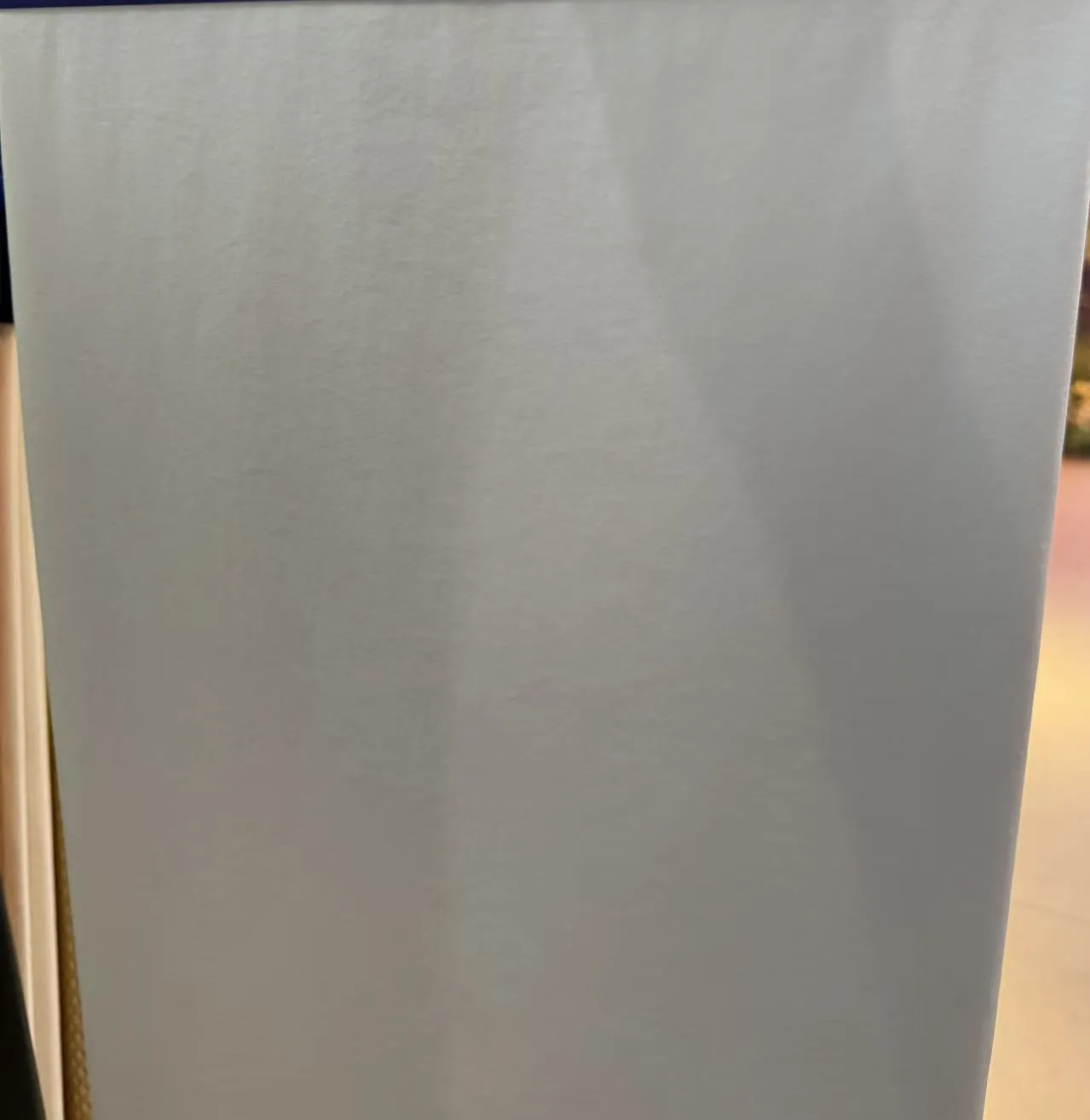
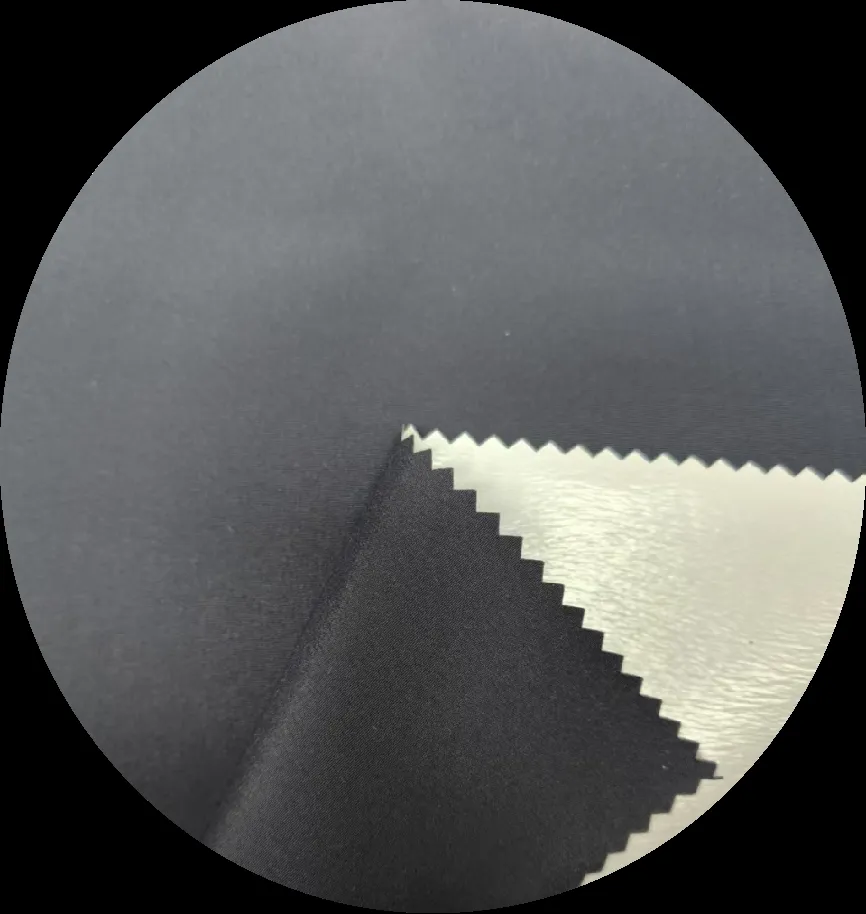

In the domain of performance fabrics and functional clothing, the selection of fabric is no longer purely based on aesthetic considerations. It has a direct impact on the garment’s durability, the wearer’s comfort, production efficiency, and the long-term value of the product. Among advanced synthetic fibers, Nylon 4-way Stretch fabric has become critical in the design of applications that require elasticity, strength, and versatility. All of these properties are possessed by this material.
This article provides a comprehensive, industry-oriented description of the properties of Nylon 4 way Stretch fabric. It explains not only what the properties are, but also why they exist, the way they are engineered, and the impact they have in the real world. The objective is to provide a practical resource for designers, product developers, sourcing managers, and textile professionals who want more than simple surface-level information.
Understanding What Nylon 4-Way Stretch Fabric Is
Nylon 4-way Stretch fabric is a type of nylon-based fabric that is engineered to stretch in four different directions. This fabric allows for movement in all four directions. This multi-directional stretchiness is typically achieved through fiber combination, fabric creation methods, or a hybrid of both.
Unlike the traditional fabric made of nylon, which has a limited range of motion but is still able to support the body’s movement, the Nylon 4-way Stretch fabric is designed to support dynamic body movement without permanent changes. This attribute has granted it a prestigious position in activewear, outdoor gear, compression clothing, and technical uniforms.
The Role of Nylon as a Base Fiber
To understand the attributes of Nylon 4-way Stretch fabric, it’s crucial to understand nylon in general.
Nylon is a synthetic polyamide fiber that is renowned for its high stretchiness, abrasion resistance, and portability. Compared to polyester, nylon fibers have a more elastic, smooth surface and are more resilient under repeated pressure. These intrinsic properties make nylon an ideal material for creating fabric that is enhanced by stretch.
In high-end textile examples, nylon is commonly described as having a “performance fiber that supports flexibility” because of its combination of strength and flexibility.

How 4-Way Stretch Is Achieved in Nylon Fabrics?
The primary attribute of Nylon 4-way Stretch fabric is its stretchiness in both directions. This property is not present in nylon alone and must be intentionally engineered.
Typically, 4-way stretch is achieved by combining nylon fibers with elastomeric fibers like spandex (also known as elastane or Lycra). In other instances, advanced knitting or weaving structures have a minimal effect on mechanical stretch when the elastomer content is low.
The interaction between the stability of nylon and its elastomeric recovery is what causes the fabric to stretch easily while maintaining its original shape.
Key Mechanical Properties of Nylon 4-Way Stretch Fabric
One of the most significant attributes of Nylon 4-way Stretch fabric is its mechanical capabilities.
This fabric has a high tensile strength while still being malleable following repeated movement. The stretch facilitates the movement of garments with the body, rather than having to resist the motion, which diminishes the stress points at the seams and joints.
High-performing Nylon 4-way Stretch fabric has a stretchiness that maintains its elasticity over thousands of cycles of stretch and recovery. This is why it is commonly used in garments that are subject to constant motion.
Elasticity and Recovery Performance
Elasticity is not sufficient on its own in functional fabric. Recovery: the capacity to return to the original size following stretching is equally important.
Nylon fabric with a 4-way stretch is associated with a strong elastic recovery; this property enables it to resist bagging, sagging, or misforming over time. This property is crucial to the design of formalwear, such as pants, base layers, and compression wear.
Google’s ranking system for the industry has consistently prioritized the recovery performance of a fabric over its other properties.
Abrasion Resistance and Durability
Another important property of Nylon 4-way Stretch fabric is its durability.
Nylon’s fibers are inherently more resistant to abrasion than other synthetic fibers. When combined with the stretchiness, this resistance has a greater value in environments with high contact, such as sportswear, tactical clothing, and outdoor gear.
The fabric’s fibers remain intact when exposed to the friction of movement, equipment, or multiple washes. This contributes to a longer overall lifespan of the garment.
Lightweight Structure and Fabric Density
Despite its impressive strength, Nylon 4-way Stretch fabric is still relatively lightweight.
Manufacturers can control the amount of fabric by choosing the right type of yarn and creating the fabric with the proper density. This will allow the fabric to remain breathable while still maintaining its durability. This equilibrium is of great importance in situations where reducing weight increases the comfort and performance of the wearer.
This property is frequently mentioned in the best descriptions of products that are associated with performance apparel.
Moisture Management Properties
Moisture control is a significant component of modern fabric performance.
Nylon fabric that is 4-way stretchable does not have the moisture-absorbing capacity of cotton. Instead, it facilitates moisture’s movement across the fabric’s surface, which facilitates the evaporation of moisture more effectively. When combined with the proper fabric properties, this property enables effective moisture transport.
As such, fabric made from Nylon 4-way Stretch tends to quickly dry and feels lighter after a long period of wear.
Breathability and Air Permeability
Breathability is affected by the fiber type and design of the fabric.
While nylon fibers are unable to have a porous structure, 4-way stretch fabrics often employ engineered or knitted structures that facilitate air flow. This design promotes thermal regulation, which is particularly true of active or high-temperature environments.
Industry-leading sources often remarked that breathability is a design result, rather than a singular material characteristic.

Softness and Skin Comfort
Another unique attribute of Nylon 4-way Stretch fabric is its pleasant skin feel.
Modern nylon fibers can be designed to have a high degree of smoothness, which reduces the friction between the fibers and the skin. When combined with stretch, the fabric naturally follows the body’s shape, minimizing the occurrence of chafing and pressure points.
This property is especially appreciated in the base layers, underwear, swimwear, and athletic apparel that is close to the skin.
Shape Retention and Dimensional Stability
Dimensional stability is the capacity of a fabric to maintain its size over time.
Nylon fabric with a 4-way stretch property is resistant to shrinking and deformation when heated properly during production. This stability promotes consistent clothing comfort across multiple washes and uses.
For companies, this attribute reduces the frequency of return visits and increases customer satisfaction.
Resistance to Wrinkling and Creasing
Compared to natural fibers, Nylon 4-way Stretch Fabric is highly resistant to wrinkles.
Its elastic structure allows the fabric to rebound after compression, making it suitable for travel apparel, uniforms, and garments that require a polished appearance with minimal maintenance.
This wrinkle resistance is often cited in commercial apparel specifications.
Chemical and Environmental Resistance
Nylon fabric with a 4-way stretch rating has a moderate capacity to withstand oils, chemicals, and environmental hazards.
This property is significant in the workplace, medical fields, and industrial settings where clothing may be subject to harsh conditions. However, long-term exposure to ultraviolet light can adversely affect the fibers of nylon, which is why stabilizing treatments are typically applied.
Dyeability and Color Performance
Nylon fibers are renowned for their affinity for color.
Nylon fabric with 4-way stretch can produce vibrant, deep colors that are colorfast. This facilitates bold design decisions that don’t compromise performance; this is why it’s popular in both technical and fashion-related apparel.
The consistent coloring of textiles is one of the most significant factors in discussions regarding textile sourcing.
Common Applications of Nylon 4-Way Stretch Fabric
The attributes of Nylon 4-way Stretch fabric make it appropriate for a broad spectrum of purposes.
It’s typically utilized in activewear, yoga clothing, swimming gear, clothing for the outdoors, tactical uniforms, and medical garments that are compressible. In each instance, the fabric’s stretch, resilience, and comfort properties are supportive of functional goals.
This versatility has a positive effect on its demand in the global textile market.
Comparison with Other Stretch Fabrics
Compared to stretchy polyester fabric, Nylon 4-way stretch fabric typically has a softer feel and a greater abrasion resistance.
Compared to cotton fabric that is stretchy, it has superior water management, durability, and shape retention. These benefits are frequently mentioned in high-end purchasing guides.
Manufacturing Considerations and Cost Factors
Creating Nylon 4-way Stretch fabric is dependent on precise oversight of the yarn’s blending, tension, and finality.
While it’s typically more expensive than basic fabric that is stretchy, its benefits are often overshadowed by the cost in high-end products. Brands must make sure to invest equally in material resources and in reaching target demographics.
Common Misconceptions About Nylon 4-Way Stretch Fabric
-
“Nylon 4-Way Stretch” is identical to ” Spandex fabric”.
Falsehood: Many individuals believe that nylon 4-way stretch is simply spandex or elastane.
Reality:
Nylon 4-way stretch fabric is typically composed of nylon and elastane (spandex). Nylon has the strength, durability, and abrasion resistance of polyethylene, while elastane has the stretch and recovery properties of polycarbonate. The outcome is derived from the combination, not from spandex alone.
-
“All 4-Way Stretch Fabrics Have the Same Stretchiness.”
Conception: If it’s called “4-way stretch” and if it is labeled as such, it must stretch in all directions.
Reality:
The percentage of stretch and the recovery rate are affected by the following factors:
Yarn denier
The fabric’s composition (woven or knitted)
Elastane composition
Some fabrics have a greater stretchiness in the horizontal direction than the vertical direction, despite the opposite being true.
-
4-Way Stretch means the fabric is thin and flabby.
Misconception: Stretch fabric is often assumed to be lightweight and flabby.
Reality:
Nylon 4 way stretch can be highly durable, tear resistant, and appropriate for outdoors, sportswear, tactical clothing, and workwear. Many variants are designed to have a high strength and stretchiness that is exceptional.
-
“Nylon 4-Way Stretch Not Breathable Is Not Nipponese.”
Falsehood: Nylon is commonly disregarded as non-breathable.
Reality:
Breathability is influenced by:
The creation of fabric
The quality of the yarn
Conclusion processes
Modern nylon fabric with a 4-way stretch capability can be highly breathable, moisture-wicking, and comfortable; this is especially true of athletic and performance apparel.
-
Stretch fabrics rapidly lose shape
Conception: Stretch fabric bags out or have lost their elasticity after a few uses.
Reality:
High-quality nylon fabric with a 4-way stretch that is ideal for shape retention and recovery, even after multiple stretches and washing, when properly designed and finished.
-
They’re Only for Sportswear.
Misconception: Nylon fabric with a 4-way stretch capability is primarily limited to sportswear.
Reality:
These fabrics are commonly employed in:
Outdoor and walking apparel
Swimwear
Yoga and exercise
Medical clothing
Fashion-specific tailoring
Uniforms and clothing that are protective.
-
“Care Is Costly and Difficult.”
Misconception: Stretchy Nylon fabric requires extra care, specifically.
Reality:
Many nylon 4-way stretch fabrics are simple to maintain, machine washable, wrinkle-resistant, and quick-drying. Proper care involves avoiding over-exposure.
How to Evaluate Nylon 4-Way Stretch Fabric for Your Project?
Selecting the proper type of nylon fabric that can stretch in 4 directions can have a positive or negative effect on your product’s capabilities, comfort, and durability. Below is a practical, step-by-step approach that will assist you in the evaluation of nylon 4-way stretch fabric for your specific endeavor- whether it be activewear, gear for the outdoors, uniforms, or fashion apparel.
-
Define the End-Result desired by your project.
Begin with the method and location of the fabric’s utilization.
Consider this:
Is this intended for people who participate in active recreation (sports, yoga, climbing) or are sedentary?
Will it have to deal with abrasion, friction, or stress?
Is it more important to have breathability or weather resistance?
Is it on the near side or out of date?
Your responses will determine the amount of stretch, strength, and completion necessary.
-
Check the direction of stretch and the ratio of stretch.
Not all 4-way stretch materials have the same behavior.
Evaluate:
The stretchiness of the fabric, which is both horizontal and vertical, is typically 20-30%, 40-60%, and 70-80%.
Recover – the degree to which it regains its original shape after being stretched;
Balanced stretch – this is essential to dresses and technical wear.
Poor recovery causes the bag to become smaller and lose its shape over time.
-
Discuss the merits of the fabric’s construction
Construction has a greater effect on performance than simply the fiber content.
Key options:
Woven fabric with 4-way stretch, this fabric has a more durable structure and a higher wind resistance.
Knit 4-way stretch – a more comfortable hand feel and enhanced support.
Also consider:
Yarn denier
Density of weave or knit
The thickness of the fabric and its weight (GSM)
-
Evaluate the quality of Nylon and the ratio of the blend.
High-quality nylon increases strength and extends longevity.
Look for:
Nylon 6 or Nylon 6,6 for increased abrasion resistance
Elastane composition is typically 5-10% for maximum elasticity.
Even the distribution of fibers to avoid weak spots
Higher elastane doesn’t always lead to a better performance; it must be balanced.
-
Test the durability and resistance to abrasion.
Essential for working outdoors, for military or sports purposes.
Evaluate:
Abrasion resistance (such as Martindale’s testing)
Reißfestigkeit
Seam slippage resistance
Nylon is exceptional here, but the construction and final product still have a significant impact.
-
Think About Comfort and Wearability
Performance fabrics still should have a good feel.
Check:
Soothing and comfortable
Skin relaxation (no irritation)
Sound level (fabrics that shake when moved)
Moisture-sensing and airability
These factors have an effect on user satisfaction directly.
-
Review the Functional results
The final steps of the process add value, but should be relevant to your use case.
Common ends:
DWR (water-resistant) for outdoors.
anti-odor or antibacterial properties
ultraviolet protection
Anti-pilling
Knitterfestigkeit
Confirm’s finish is resistant to washing, not just the surface.
-
Evaluate the colorfastness and printing capabilities
Crucial to the brand and aesthetics.
Test:
Colorfastness in relation to washing, stroking, and sunlight
Constant color
Sublimation printing or direct digital printing.
Poor color stability causes fading and repeats.
-
Assess the Care and Maintenance Necessities
End customers appreciate simple fabrics.
Confirm:
The compatibility of machines with washers
Decreasing rate of shrinkage
The capacity to withstand heat while ironing or drying is cited as the primary benefit.
Nylon 4-way stretch typically has low maintenance if properly maintained.
-
Ask for Samples and participate in Real-World Testing.
Never forsake hands-on testing.
Do:
Stretch and recovery experiments
Wear experiments
Wash tests (endless)
Testing the stress of the seams and the motion of the areas with high stress.
Laboratory data + practical application is the most accurate.
Conclusion: Why Nylon 4-Way Stretch Fabric Matters
What are the characteristics of Nylon 4-way Stretch fabric?
It’s a high-end textile that possesses multiple directions of elasticity, exceptional recovery, durability, comfort, and versatility in diverse applications. These properties are attributed to planned engineering rather than chance.
For those involved in design, manufacturing, and procurement, understanding these properties allows them to have a better grasp on the situation and lead to a more successful product outcome. As the evolution of performance apparel and functional textiles continues, Nylon 4-Way Stretch Fabric Matters will still be a fundamental component of the industry.