تخطي إلى المحتوى


مقدمة
If you’re sourcing fabric for high-end workwear, outdoor equipment, or protective clothing, you’ve probably asked yourself this question: will matte high elasticity fabric lose its shape over time? It’s a valid concern. Nobody wants to invest in premium material only to see garments bag out at the knees, stretch out of shape, or lose that crisp, professional appearance after repeated use.
The short answer is no — not if the fabric is properly engineered. But the longer answer lies in understanding what truly sets matte high elasticity fabric apart from ordinary stretch materials. Let’s break down the science, the construction techniques, and the real-world performance so you can make a confident, informed decision.
What Exactly Is Matte High Elasticity Fabric?
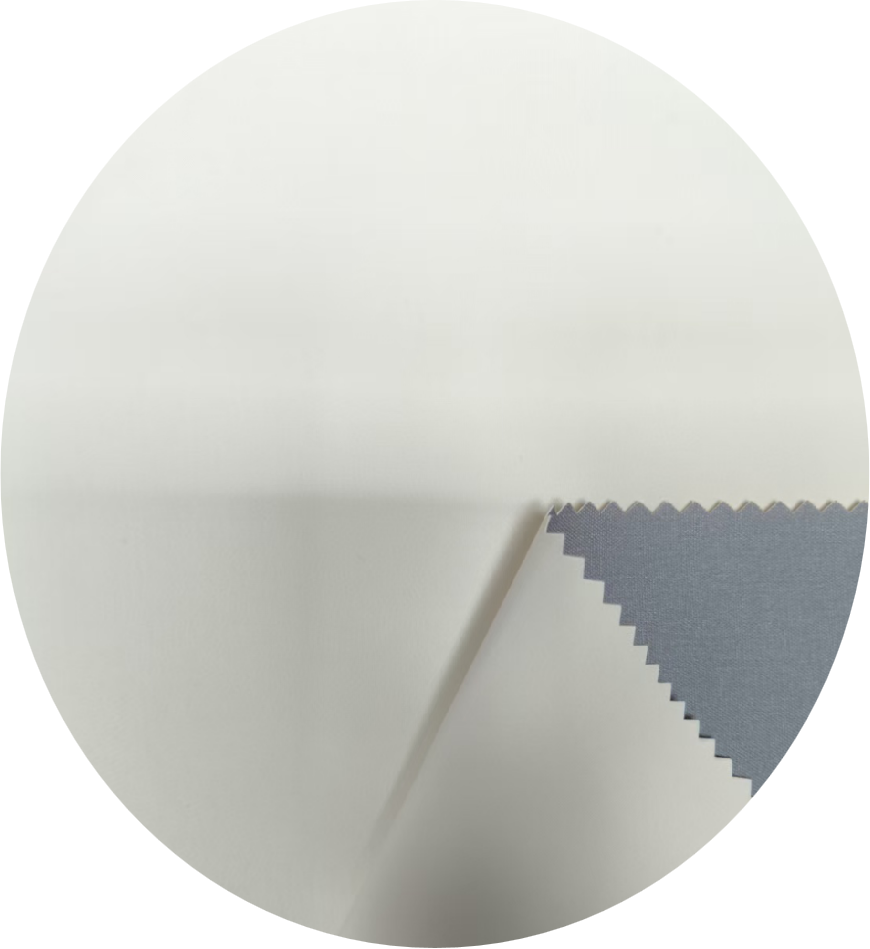
Before we can talk about shape retention, we need to understand what we’re actually dealing with. Matte high elasticity fabric is a high-performance textile that combines two seemingly contradictory qualities: a sophisticated, non-reflective matte surface and exceptional four-way stretch capability.
The “matte” part comes from a specialized finishing treatment that eliminates shine and glare, giving the fabric a subtle, premium appearance. This isn’t just about aesthetics—though that certainly matters for high-end workwear and outdoor gear. The matte finish also reduces visual fatigue in bright conditions and gives garments a more professional, understated look.
The “high elasticity” part is where things get interesting. This fabric incorporates high-elasticity fibers that allow it to stretch in all directions and return to its original shape. Unlike basic stretch fabrics that might only offer two-way stretch (meaning they stretch in one direction), matte high elasticity fabric provides four-way stretch—it moves with you horizontally and vertically.
But what really sets this fabric apart is its innovative double warp and double weft weaving structure. This is not your standard plain weave. The double warp and double weft technique uses two sets of warp yarns and two sets of weft yarns, creating a dense, stable foundation that significantly enhances durability. Think of it like building a house with a reinforced foundation—the extra structural integrity makes everything else more reliable.
How Does the Double Warp and Double Weft Construction Prevent Shape Loss?
Let’s get into the technical details, because this is where the magic happens. Traditional fabrics use a single set of warp yarns (the yarns that run lengthwise) interlaced with a single set of weft yarns (the yarns that run crosswise). It’s a simple, effective structure, but it has limitations when it comes to stretch and recovery.
Double warp and double weft fabric, on the other hand, uses two distinct sets of warp yarns arranged in parallel layers, with weft yarns woven through both sets. This dual-layer approach provides several critical advantages for shape retention.
First, the additional layer of warp yarns significantly enhances the fabric’s dimensional stability, reducing the likelihood of stretching or distortion over time. When you have twice the warp yarns anchoring the structure, the fabric simply doesn’t shift or deform as easily. One warp set can be dedicated to strength and dimensional stability while the second warp can be optimized for comfort or elasticity. This division of function makes it possible to produce fabrics that are both robust and flexible.
Second, the dense construction means the fabric has better abrasion resistance and improved tear strength. Why does that matter for shape retention? Because abrasion and wear are major causes of fabric degradation. When fibers break down from friction, the fabric loses its ability to snap back into place. A more abrasion-resistant fabric maintains its structural integrity longer, which directly translates to better shape retention.
Third, this weaving technique allows for greater design flexibility. Different colors or types of yarn can be used in each layer to create unique visual effects while maintaining structural integrity. That means you don’t have to sacrifice aesthetics for performance.
In simple terms, the double warp and double weft construction creates a fabric that’s built to last. It’s not just stretchy—it’s stable. And that stability is exactly what prevents the dreaded “bagging out” that plagues lesser stretch fabrics.

The Elastic Recovery Mechanism: Why Matte High Elasticity Fabric Bounces Back
So we know the structure is solid. But what about the stretch itself? How does matte high elasticity fabric actually recover its shape after being stretched?
The answer lies in the elastic fibers—typically spandex or elastane—that are integrated into the fabric during manufacturing. These fibers are renowned for their ability to stretch up to five times their original length and return to their initial shape without losing form. When combined with the double warp and double weft structure, the result is a fabric with exceptional stretch recovery.
Here’s how it works at a molecular level. Spandex fibers are composed of segmented polyurethane, with hard segments and soft segments. The soft segments allow the fiber to stretch, while the hard segments provide the restoring force that brings it back to its original length. This isn’t just a one-time party trick—spandex can undergo thousands of stretch-and-recovery cycles without significant degradation.
Testing standards like ASTM D3107 measure fabric stretch, fabric growth, and fabric recovery after specified tension and extension. In practical terms, high-quality matte high elasticity fabric can achieve elastic recovery rates of 90% or higher after being stretched. That means if you stretch the fabric by 10 inches, it will return to within 1 inch of its original length. Over time, with repeated stretching, some fabrics experience “growth”—a permanent increase in length. But the combination of high-quality elastic fibers and the stabilizing double warp and double weft structure minimizes this effect.
Studies on stretch fabrics have shown that the presence of elastane significantly improves elastic recovery and reduces hysteresis (the energy lost during stretch-and-recovery cycles). In other words, the fabric doesn’t “tire out” as quickly. It keeps bouncing back, wear after wear.
What the Testing Data Says About Long-Term Shape Retention
Numbers don’t lie. Let’s look at what actual testing data tells us about how matte high elasticity fabric performs over time.
| Test Parameter | Typical Performance | Industry Standard |
|---|---|---|
| Elastic Recovery Rate | 90%+ after stretching to 30% of length | ASTM D3107 |
| مقاومة التآكل | Class 4+ (ISO 12947-2) | ISO 12947-2 |
| Pilling Resistance | Good to excellent | ASTM D3512 / ISO 12945-2 |
| ثبات الأبعاد | Minimal growth after repeated stretching | ASTM D3107 |
| Performance After Washing | Retains elasticity after 100+ industrial cycles | Various |
Let’s break these down.
Elastic Recovery Rate: As mentioned, high-quality stretch fabrics can achieve recovery rates of 90% or higher. This means that after being stretched, the fabric returns to nearly its original dimensions. The double warp and double weft structure enhances this by providing a stable framework that the elastic fibers can pull against.
Abrasion Resistance: Abrasion resistance is critical for shape retention because surface wear degrades the fibers, reducing their ability to recover. Matte high elasticity fabric typically achieves Class 4 or higher on the Martindale abrasion test, which means it can withstand tens of thousands of rubbing cycles before showing significant wear.
Pilling Resistance: Pilling—those little fuzzy balls that form on fabric surfaces—is a sign of fiber degradation. Fabrics with good pilling resistance maintain their surface integrity longer, which means they look better and perform better over time.
Performance After Washing: This is where many stretch fabrics fall short. But research has shown that elastic fabrics can maintain their high elasticity even after 100 industrial washing cycles. The combination of nylon’s durability and spandex’s resilience creates a fabric that can withstand repeated laundering without losing its shape.
One study found that fabrics treated with greater tentering showed greater shrinkage and less elastic recovery after repeated washings. This underscores the importance of proper manufacturing techniques. Matte high elasticity fabric produced with precise tension control during tentering—the process of stretching and heat-setting the fabric—demonstrates significantly better shape retention after washing.
Real-World Performance: Where Matte High Elasticity Fabric Excels
Theory and testing are great, but what really matters is how the fabric performs in the real world. Let’s look at some specific application scenarios.
ملابس العمل الشاقة
Workwear takes a beating. Workers bend, stretch, squat, and move constantly throughout the day. Ordinary fabrics bag out at the knees and elbows, losing their professional appearance. Matte high elasticity fabric is specifically engineered for heavy-duty workwear applications. The combination of abrasion resistance, four-way stretch, and excellent recovery means that workwear made from this fabric maintains its shape shift after shift.
Imagine a mechanic who spends hours kneeling on concrete. Traditional work pants would develop permanent “knee bags” within weeks. But matte high elasticity fabric, with its double warp and double weft construction and high recovery rate, bounces back after each wear. The fabric doesn’t just stretch—it recovers.
Outdoor Equipment and Protective Clothing
Outdoor equipment demands even more from fabric. Extreme environments, variable weather conditions, and constant movement all test a fabric’s limits. Matte high elasticity fabric is designed to meet protective needs in these challenging conditions.
For outdoor workers, hikers, or anyone who spends significant time in the elements, shape retention isn’t just about appearance—it’s about function. A jacket that stretches out of shape won’t provide the same protection or fit. Pants that bag out can chafe or catch on equipment. Matte high elasticity fabric maintains its dimensions and performance, keeping the wearer comfortable and protected.
The high-breathability PU white film that’s often integrated with this fabric provides waterproof and moisture-permeable properties without compromising elasticity. This means you get protection from the elements and freedom of movement in one package.
High-End Fashion and Tailored Garments
Let’s not forget the fashion applications. Matte high elasticity fabric with its sophisticated matte finish and exceptional stretch is ideal for form-fitting garments that need to maintain their silhouette. The combination of a stable double-warp framework with resilient elastic fibers results in excellent shape retention, reduced bagging, and improved garment longevity.
For designers creating high-end workwear, outdoor gear, or fashion-forward activewear, this fabric offers the best of both worlds: premium aesthetics and performance that lasts.
Matte High Elasticity Fabric vs. Standard Stretch Fabrics
To really appreciate what matte high elasticity fabric brings to the table, it helps to compare it with standard stretch fabrics.
| الميزة | Matte High Elasticity Fabric | Standard Stretch Fabric |
|---|---|---|
| Weave Structure | Double warp + double weft | Single warp + single weft |
| Stretch Direction | Four-way | Often two-way only |
| Elastic Recovery | 90%+ | Varies, often lower |
| مقاومة التآكل | High (Class 4+) | معتدل |
| ثبات الأبعاد | ممتاز | Good to moderate |
| Surface Finish | Matte, non-reflective | Often shiny or inconsistent |
| Longevity | Extended lifespan | Shorter lifespan |
| Best Applications | Workwear, outdoor gear, protective clothing | Casual wear, basic activewear |
The differences are significant. Standard stretch fabrics typically use a single warp and single weft construction with elastic fibers added. They stretch, but they don’t have the structural reinforcement that double warp and double weft provides. As a result, they’re more prone to “growth”—permanent stretching over time—and they don’t recover as well from repeated stretching.
Matte high elasticity fabric, with its dual-layer warp system, offers superior dimensional stability, better abrasion resistance, and more consistent performance over time. The matte finish isn’t just an aesthetic choice—it’s a functional one that reduces glare and provides a more professional appearance that holds up better in demanding environments.
Common Misconceptions About High Elasticity Fabrics
Let’s clear up a few misconceptions that might be causing unnecessary concern.
Misconception #1: All stretch fabrics lose their shape eventually.
This is only true for poorly constructed stretch fabrics. Matte high elasticity fabric, with its double warp and double weft structure and high-quality elastic fibers, is designed to maintain its shape over extended use. The data backs this up—high recovery rates and excellent performance after repeated washing cycles demonstrate that not all stretch fabrics are created equal.
Misconception #2: Matte finish means less durability.
Some people assume that matte finishes are just cosmetic and might compromise durability. In reality, the matte treatment is applied without compromising the fabric’s structural integrity. In fact, matte high elasticity fabric often outperforms shiny alternatives because the matte finish hides wear and tear better, keeping garments looking newer for longer.
Misconception #3: High elasticity means low stability.
This is a common assumption, but it’s incorrect. The double warp and double weft construction provides exceptional stability precisely because it’s designed to accommodate elasticity without sacrificing structure. You can have both—stretch and stability—when the fabric is engineered correctly.
Misconception #4: Washing always ruins stretch fabrics.
While improper washing can damage any fabric, matte high elasticity fabric is engineered to withstand regular washing. Studies show that elastic fabrics maintain their properties even after 100 industrial washing cycles. The key is following proper care instructions—cool water, mild detergent, and avoiding high heat drying.
Factors That Can Affect Shape Retention
Even the best fabric can fail if it’s not handled properly. Here are some factors that can affect the shape retention of matte high elasticity fabric:
Manufacturing Quality: The quality of the elastic fibers, the precision of the weaving, and the effectiveness of the heat-setting process all impact shape retention. This is why sourcing from reputable manufacturers matters.
Fiber Content: The ratio of nylon to spandex affects both stretch and recovery. Higher spandex content generally means more stretch, but too much can reduce stability. The optimal balance depends on the specific application.
Finishing Treatments: Proper heat-setting during manufacturing locks in the fabric’s dimensions. If this step is rushed or improperly executed, the fabric may shrink or grow over time.
Care and Maintenance: Washing in hot water, using harsh detergents, and tumble drying on high heat can all degrade elastic fibers over time. Following care instructions is essential for maximizing the fabric’s lifespan.
Application Demands: A fabric used in extreme conditions—constant stretching, high abrasion, exposure to chemicals—will naturally experience more wear. Matte high elasticity fabric is designed for these demands, but no fabric is indestructible.
The Bottom Line: Will It Lose Its Shape?
So, after all this analysis, what’s the answer? Will matte high elasticity fabric lose its shape over time?
No—not when it’s properly engineered and manufactured.
The combination of the double warp and double weft weaving structure, high-quality elastic fibers, and precise manufacturing creates a fabric that maintains its shape through extended use, repeated washing, and demanding applications. The data backs this up: high recovery rates, excellent abrasion resistance, and proven performance in heavy-duty workwear and outdoor equipment.
That said, no fabric is completely immune to wear. Over many years of heavy use, even the best fabric will eventually show signs of aging. But matte high elasticity fabric is designed to significantly extend the useful life of garments, maintaining their fit, appearance, and performance far longer than standard stretch fabrics.
For manufacturers and brands, this means fewer returns, happier customers, and a reputation for quality. For end users, it means garments that look better, fit better, and last longer.
Making the Right Choice for Your Application
If you’re sourcing fabric for workwear, outdoor equipment, protective clothing, or high-end fashion, matte high elasticity fabric deserves serious consideration. Here’s what to look for:
-
Double warp and double weft construction for structural stability
-
High-quality elastic fibers (nylon/spandex blends offer excellent durability and recovery)
-
Matte finish for professional appearance and reduced glare
-
Proven testing data including recovery rates, abrasion resistance, and wash performance
-
Reputable manufacturer with quality control processes
Take the Next Step
Now that you understand why matte high elasticity fabric won’t lose its shape over time, it’s time to see it for yourself. Whether you’re developing heavy-duty workwear, outdoor equipment, or high-end protective clothing, this fabric delivers the performance and durability your products deserve.
Request a sample today and put matte high elasticity fabric to the test. Experience the difference that innovative double warp and double weft construction makes—and see why leading manufacturers are making the switch. Your customers will notice the difference, and so will your bottom line.
Don’t settle for fabrics that bag out, stretch out, or wear out. Choose matte high elasticity fabric for performance that lasts.