Spring til indhold

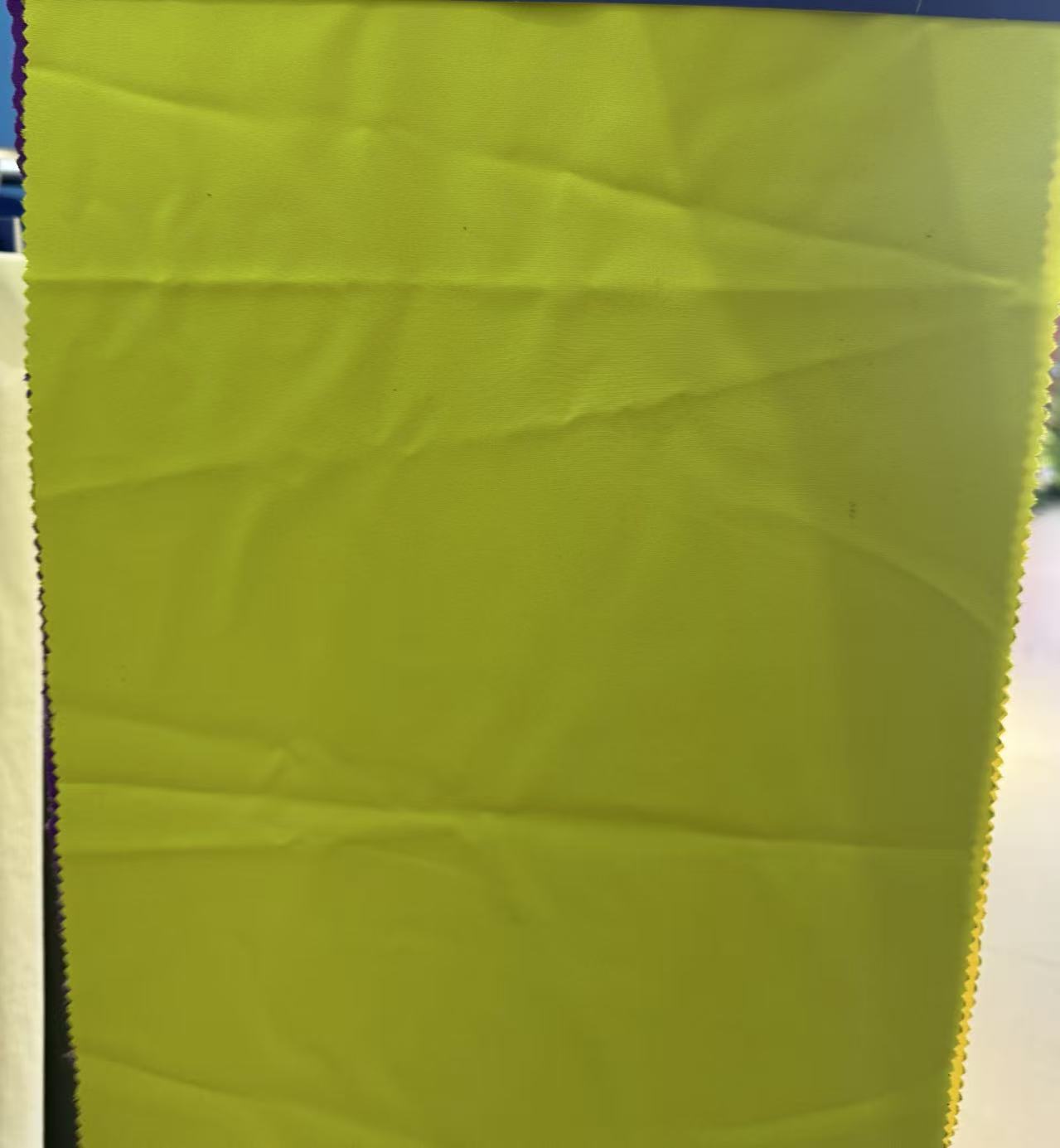

Abstrakt
Grid Chunya stof is a unique type of traditional woven textile distinguished by its grid pattern and heritage weaving methods.
This detailed guide explores the technical details, production processes, and commercial uses of Grid Chunya Fabric for B2B buyers and stakeholders in the textile industry looking for genuine traditional weaving options.
Recognizing the special qualities of this fabric helps in making informed sourcing choices for uses such as luxury home textiles and institutional uniforms, where durability, visual uniformity, and cultural authenticity come together.
Understanding Grid Chunya Fabric: Definition and Heritage
Origins and Traditional Weaving Methodology
Grid Chunya Fabric comes from traditional Chinese textile regions, especially in provinces like Jiangsu and Zhejiang that have a long history of weaving. The name “Chunya” means “spring elegance,” highlighting the fabric’s light yet firm qualities that appeared during the late Qing Dynasty when textile artisans crafted specialized weaving methods to produce fabrics with dimensional stability for seasonal clothing.
The traditional methodology uses a modified plain weave structure where warp and weft yarns are arranged at precise intervals to form visible grid patterns. Historically, production involved hand-operated wooden looms with adjustable reed spacing, enabling weavers to control grid sizes ranging from 2mm to 8mm based on the intended use. This technique demanded considerable skill, as maintaining consistent tension in both yarn directions was crucial to avoid pattern distortion.
Cultural significance goes beyond aesthetics. The grid pattern symbolized agricultural prosperity in traditional Chinese textile symbolism, with perpendicular lines representing organized rice paddies. Modern interpretations preserve these geometric principles while integrating contemporary fiber technologies and mechanized precision.
Structural Characteristics of Grid Pattern Design
The key characteristic of Grid Chunya Fabric is its organized pattern of raised and recessed yarn intersections that form tactile and visual grid designs. Unlike conventional plain weaves where yarns switch evenly, Grid Chunya uses varying yarn densities: usually 15-20% greater yarn count in the directions that form the grid compared to the spaces in between.
Technical identification parameters include:
- Grid Pitch: The distance between parallel grid lines, typically ranging from 3mm, 5mm, to 8mm.
- Intersection Prominence: Raised yarn crossings that measure between 0.3mm and 0.6mm above the fabric plane.
- Pattern Symmetry: Uniformity in both directions with a deviation tolerance of no more than 2%.
- Overfladestruktur: Noticeable tactile ridges that can be felt through a caliper variation of 0.5mm.
The grid structure naturally offers better dimensional stability than plain weaves. The interlocking design spreads mechanical stress across multiple yarn intersections, decreasing elongation under load by about 18-25% compared to similarly weighted plain fabrics. This structural benefit makes Grid Chunya especially appropriate for uses that require shape retention after multiple laundering cycles.

Technical Specifications and Material Composition
Fiber Content and Yarn Construction Standards
Modern Grid Chunya Fabric utilizes diverse fiber compositions optimized for specific performance requirements:
Primary Fiber Blends:
- 100% Cotton: This traditional option provides breathability (300-400 cc/cm²/sec air permeability) and moisture absorption (7-8% regain). It is preferred for apparel and bedding applications.
- Polyester/Cotton (65/35): This blend offers improved dimensional stability with less than 3% shrinkage after washing. It reduces production costs by 22-30% compared to pure cotton while maintaining an acceptable hand-feel.
- Polyester/Viscose (55/45): This combination merges synthetic durability with natural drape qualities. It achieves 15-18% better wrinkle recovery than cotton blends.
- Specialty Linen Blends: Premium positioning with 40-50% linen content providing superior thermal regulation and distinctive texture.
Yarn Construction Parameters:
Standard Grid Chunya production employs combed ring-spun yarns within the 30s-60s count range (Ne). Grid-forming yarns are generally 20% coarser than fill yarns to enhance pattern visibility. For example, a common specification pairs 40s warp with 50s weft, providing optimal visual contrast while maintaining balanced fabric strength.
Twist factors for warp yarns usually range from 3.8 to 4.2 (TM). For weft, they typically range from 3.5 to 3.9, balancing strength requirements with the risk of fabric stiffness. Employing higher twist factors (>4.3) can adversely impact the fabric’s soft hand-feel. Conversely, too low twist (<3.4) may reduce abrasion resistance below acceptable commercial standards.
Physical Properties and Performance Metrics
Grid Chunya Fabric performance specifications vary by fiber composition and intended application:
Weight Classifications:
- Æstetisk appel: 80-120 GSM (apparel, linings)
- Medium-weight: 125-180 GSM (shirting, home décor)
- Heavyweight: 185-240 GSM (upholstery, institutional textiles)
Mechanical Strength Standards:
Tensile strength for commercial-grade Grid Chunya typically exceeds 400N (warp direction) and 350N (weft direction) when tested per ASTM D5034. The grid structure contributes to tear propagation resistance, with trapezoid tear strength values 12-18% higher than plain weave equivalents at comparable weights.
Dimensional Stability:
Quality Grid Chunya fabrics demonstrate:
- Residual shrinkage: ≤2% (both directions) after pre-shrinking treatment
- Skewness: ≤2% per AATCC 179
- Fabric growth under 5kg load: <1.5% longitudinally
Colorfastness Performance:
- Washing (AATCC 61): Grade 4-5 (commercial standard)
- Light (AATCC 16): Grade 4 minimum for outdoor applications
- Crocking (AATCC 8): Grade 4 dry, Grade 3-4 wet
Table Placeholder: Specification Comparison Matrix
| Fiber Composition | Vægt (GSM) | Tensile Strength (N) | Shrinkage (%) | Luftgennemtrængelighed | Price Tier |
|---|---|---|---|---|---|
| 100% Cotton | 140-160 | 420/380 | 2.5-3.0 | 350 cc/cm²/sec | Premium |
| Poly/Cotton 65/35 | 130-150 | 480/420 | 1.5-2.0 | 280 cc/cm²/sec | Standard |
| Poly/Viscose 55/45 | 135-155 | 450/400 | 2.0-2.5 | 320 cc/cm²/sec | Mellemklasse |
| Linen Blend 40/60 | 160-180 | 390/350 | 3.0-3.5 | 420 cc/cm²/sec | Luxury |
Manufacturing Process and Quality Control
Traditional vs. Modern Production Techniques
Traditional Hand-Loom Methods:
Artisan production utilizes wooden frame looms with manually controlled heddles and reed spacing adjustments. Weavers manipulate warp tension through weighted systems, achieving grid patterns through rhythmic shuttle passes coordinated with selective yarn lifting. Production rates average 3-5 linear meters per 8-hour shift, with fabric widths limited to 90-120cm by loom frame dimensions.
Advantages include:
- Unique textural variations valued in luxury markets
- Minimal capital investment requirements
- Flexibility for custom pattern modifications
- Lower environmental impact (no electrical consumption)
Limitations encompass:
- Inconsistent grid pitch (±8-12% variation)
- Labor cost premiums of 200-350% versus mechanized production
- Limited scalability for commercial volumes
Mechanized Grid Weaving Systems:
Modern production uses rapier or air-jet looms fitted with electronic jacquard heads that are programmed for accurate grid formation. Servo-controlled warp tension systems ensure uniformity across fabric widths of 200-340cm. Production speeds range from 450 to 650 picks per minute, producing 80 to 120 linear meters per shift, depending on the complexity of the fabric.
Computer-aided design (CAD) integration enables pattern modifications without the need for physical loom reconfiguration, decreasing setup times from 6-8 hours (traditional) to 45-90 minutes. Digital monitoring systems identify yarn breakage within 0.3 seconds, reducing defect propagation.
Hybrid approaches blend mechanized weaving with hand-finishing techniques, providing commercial efficiency combined with artisan aesthetic appeal. This methodology achieves approximately 35% price premiums over fully mechanized products while keeping production costs 60% lower than pure hand-loom operations.
Quality Standards and Compliance Requirements
ISO Textile Standards:
Grid Chunya manufacturers targeting international markets typically maintain:
- ISO 3801: Woven fabric terminology and definitions
- ISO 2062: Yarn tensile strength determination
- ISO 5077: Fabric dimensional change testing protocols
Oeko-Tex Certification:
Standard 100 certification verifies the absence of harmful substances, critical for apparel and home textile applications. Testing parameters include:
- Formaldehyde content: <75 ppm (skin contact products)
- pH value: 4.0-7.5 (direct skin contact)
- Heavy metal restrictions: Lead <1.0 ppm, Cadmium <0.1 ppm
- Phthalate limits: <0.1% total concentration
Certification costs range $1,500-$3,000 annually per product category, with 6-8 week testing timelines. B2B buyers should verify certificate validity and scope coverage matching purchased specifications.
Regional Quality Benchmarks:
Chinese textile standards (GB/T series) provide domestic quality frameworks:
- GB/T 3923.1: Breaking strength and elongation testing
- GB/T 3920: Colorfastness to rubbing
- GB/T 8629: Dimensional stability evaluation
Premium Grid Chunya products often exceed minimum standards by 15-25%, positioning for export markets with stringent requirements (EU REACH, US CPSIA).

Commercial Applications and Market Positioning
Primary Use Cases in B2B Sectors
Home Textile Manufacturing:
Grid Chunya’s dimensional stability makes it ideal for:
- Bedding Components: Duvet covers, pillowcases requiring minimal ironing (wrinkle recovery >65%)
- Table Linens: Placemats, runners where the grid pattern enhances visual organization
- Window Treatments: Lightweight curtains (80-120 GSM) with a natural drape coefficient of 0.65-0.75
Market data indicates 28% CAGR growth in premium home textile segments utilizing traditional weave patterns, driven by consumer preferences for artisan aesthetics.
Apparel Production:
Applications span:
- Shirting Fabrics: Business casual and resort wear, leveraging breathability
- Uniform Programs: Healthcare and hospitality sectors valuing easy-care properties
- Children’s Wear: Soft hand-feel with durability for 50+ industrial wash cycles
Grid Chunya’s texture provides visual interest without complex printing processes, reducing production costs by $0.40-$0.75 per meter versus printed alternatives.
Hospitality and Institutional Supply:
Commercial laundry resilience positions Grid Chunya for:
- Hotel bedding programs (300+ thread count equivalents)
- Restaurant table linens with stain-release treatments
- Healthcare facility privacy curtains meeting NFPA 701 flame resistance
Institutional buyers prioritize fabrics maintaining appearance retention >80% after 100 commercial wash cycles—a threshold Grid Chunya consistently exceeds due to structural integrity.
Procurement Considerations for Bulk Buyers
Minimum Order Quantities (MOQ):
Typical supplier requirements vary by production method:
- Stock Colors/Patterns: 500-1,000 meters per SKU
- Custom Specifications: 2,000-3,000 meters (justifies loom setup)
- Yarn-Dyed Options: 3,500-5,000 meters (dyeing batch economics)
Negotiation leverage increases significantly above 10,000-meter orders, with potential price reductions of 12-18%.
Lead Time Factors:
Standard production timelines:
- In-Stock Items: 7-14 days (inspection + shipping)
- Made-to-Order Standard Specs: 25-35 days
- Custom Development: 45-60 days (including lab dips and strike-offs)
Rush production available at 15-25% premium surcharges, reducing timelines by 30-40%.
Pricing Structures:
Grid Chunya pricing reflects fiber content and production complexity:
- Economy Grade (Poly/Cotton mechanized): $1.80-$2.40/meter (FOB)
- Standard Grade (Cotton mechanized): $2.60-$3.50/meter
- Premium Grade (Specialty blends): $4.20-$6.00/meter
- Artisan Hand-Loomed: $8.50-$14.00/meter
Volume discounts are typically structure as:
- 5,000-10,000m: 8-12% reduction
- 10,000-25,000m: 15-18% reduction
- 25,000m+: 20-25% reduction plus payment term flexibility
Supplier Certification Verification:
Due diligence protocols should confirm:
- Business license validity (verify through local commerce bureaus)
- Production facility audits (BSCI, WRAP, or equivalent)
- Quality management systems (ISO 9001 certification)
- Testing laboratory accreditation (CNAS/CMA for Chinese suppliers)
Request third-party inspection services (SGS, Bureau Veritas) for orders exceeding $15,000, with costs typically 0.3-0.6% of order value.
FAQ-modul
Q1: What distinguishes Grid Chunya Fabric from standard plain weave textiles?
Grid Chunya employs differential yarn densities and strategic interlacing patterns that create visible, tactile grid formations. Plain weaves use uniform alternating yarn structures.
This results in 18-25% better dimensional stability, superior tear resistance, and distinctive aesthetic appeal. The grid structure also enhances fabric memory, reducing wrinkle formation by approximately 30% compared to plain weaves of equivalent weight.
From a procurement perspective, Grid Chunya commands 20-35% price premiums but delivers extended product lifecycles, justifying the investment for quality-focused applications.
Q2: How does the grid structure affect fabric durability and maintenance requirements?
The interlocking grid geometry distributes mechanical stress across multiple yarn intersection points, which significantly enhances tear propagation resistance and abrasion performance.
Independent testing indicates that Grid Chunya fabrics can endure 15,000-22,000 Martindale cycles before showing visible wear, compared to 12,000-16,000 cycles for plain weaves at similar GSM.
Maintenance advantages include less ironing needed due to improved wrinkle recovery (65-70% versus 45-55% for standard weaves) and better shape retention after commercial laundering.
Care instructions generally recommend washing at 40-60°C, with tumble drying suitable for polyester blends, thereby simplifying institutional laundry procedures.
Q3: What are typical minimum order quantities for commercial procurement?
MOQs vary significantly by customization level and supplier scale. Stock configurations in standard colors typically require 500-1,000 meters, suitable for sampling or small production runs.
Custom specifications (unique fiber blends, proprietary grid dimensions, or yarn-dyed patterns) generally mandate 2,000-5,000 meter minimums to justify loom programming and setup costs. Large-scale manufacturers serving institutional markets often negotiate 10,000+ meter contracts with staged delivery, securing 15-25% pricing advantages.
Smaller buyers can access lower MOQs through textile trading companies, though at 8-12% price premiums versus direct manufacturer sourcing.
Konklusion
Grid Chunya Fabric offers a unique combination of traditional craftsmanship and functional textile performance suitable for diverse commercial applications.
Understanding its technical specifications, production heritage, and quality parameters enables informed procurement decisions for businesses seeking authentic traditional weave materials with reliable performance characteristics.
The fabric’s distinctive grid structure delivers measurable advantages in dimensional stability, durability, and aesthetic differentiation, justifying its position in premium textile segments. B2B buyers should prioritize supplier verification, appropriate quality certifications, and clear specification documentation to ensure product consistency across production batches.
As global markets increasingly value heritage textile techniques combined with modern performance standards, Grid Chunya Fabric represents a strategic material choice for brands differentiating through authentic craftsmanship and functional excellence.