Spring til indhold

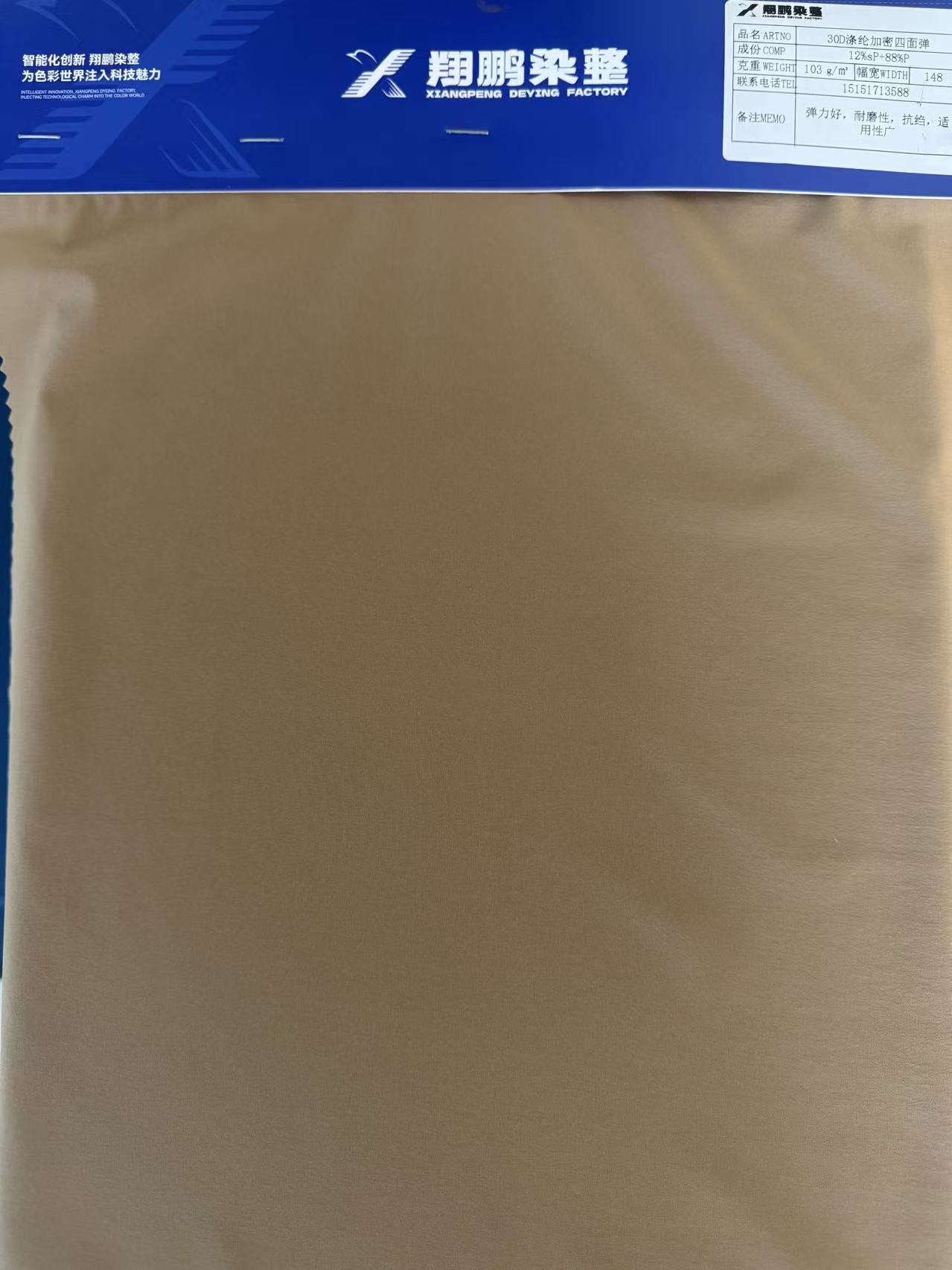
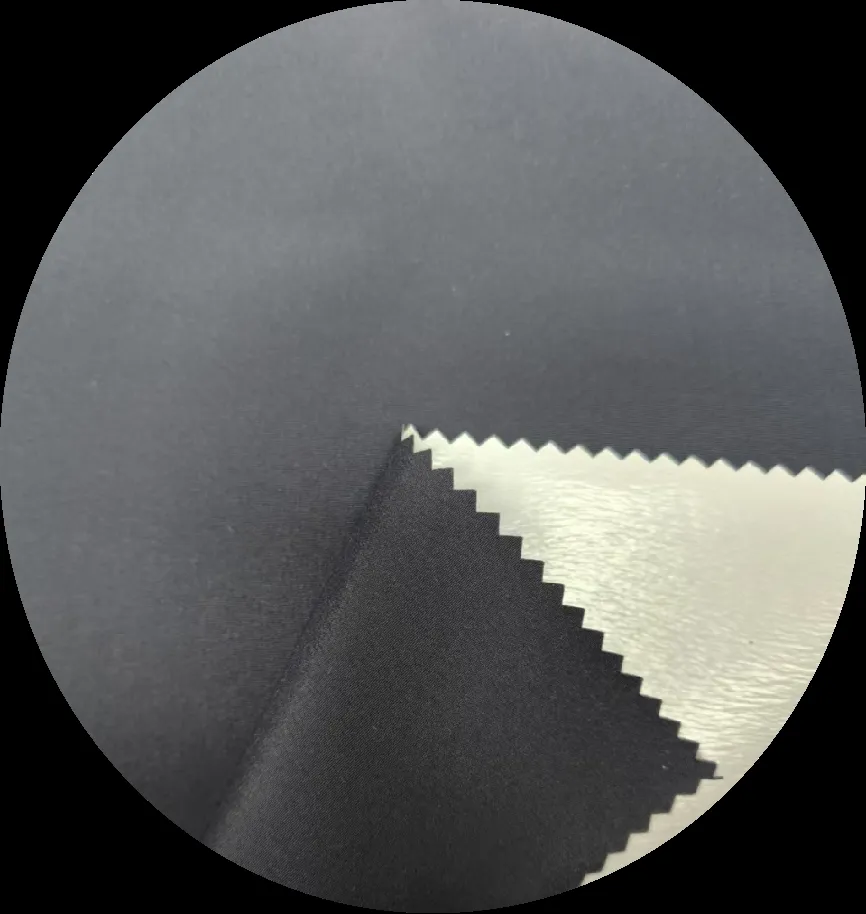
In a world that demands fine harmony of strength, weight, durability, and comfort, nylon taffeta has become the most popular fabric. However, the constant query from manufacturers, designers, and consumers is: How strong is nylon taft? More fundamentally, is it suitable for heavy-duty use, or is it only appropriate for lightweight garments and linings? This article discusses the mechanical properties, performance in real-world applications, and comparative strength of nylon taffeta, intended to help you decide whether the fabric meets the requirements of your project or product type.
What Is Nylon Taffeta — Composition, Weave, and Basic Structure
First, a summary: what is the exact composition of nylon taffeta? In technical terms, taffeta is a fabric that is produced by weaving in a straight line. It is originally derived from silk but has been manufactured using synthetic fibers like nylon or polyester as well.
When composed of nylon, this fabric is referred to as nylon taffeta, which possesses a densely woven plain-skinned structure along with the inherent material strength and resilience of nylon.
Key attributes that define the structure or composition:
The weave is typically simple (ones-over, ones-under), which provides consistency, minimal stretch, and structural support.
Fiber: 100% nylon (or, occasionally, nylon blends, e.g., fibers derived from nylon have a high tensile strength, stretchiness, resistance to abrasion, and chemical stability.
Many nylon towels are decorated with patterns (e.g., water-resistant coatings, durable water repellent (DWR), or PU/PVC laminates), but even versions that are uncoated have benefited from the dense weave and the strength of nylon fibers.
This design – featuring a strong fiber, compact weave, and precise finish – causes nylon taffeta to have a high strength-to-weight ratio, which makes it both light and durable.
As a result, from a material science perspective, nylon taffeta is designed to provide more than what its lightweight nature would suggest.
Mechanical Properties and Strength Indicators of Nylon Taffeta
Understanding the strength of nylon taffeta requires understanding several attributes that are measured directly: tensile strength, resistance to abrasion, tear resistance, weight-to-strength ratio, and the durability of the material under environmental stress (water, sunlight, repeated use), among other attributes. Many information sources and industry participants focus on these as the primary characteristics of nylon taffeta.
- Tensile strength and stress resistance
Nylon as a fiber: As a synthetic polymer, nylon has a high tensile strength (fiber strength), is elastic, and has resilience.
When combined into a simple taffeta fabric, the interlaced warp and weft threads serve to distribute the load across the fibers, which reduces the stress concentration and increases the resistance to tearing or breakage.
Many nylon taffetas on the market are considered to be “wearable, long-lasting, tear-resistant fabric”, which is not only suitable for clothing or lightweight jackets, but also ideal for use in outdoor gear, sleeping bags, backpacks, and large-volume protective equipment.
Practically, this implies that under typical stress (pull, draft, handling), nylon taffeta typically retains its attachment rather than dissociating — this is important for manufacturing goods that are durable.
- Abrasion Resistance, Wear-and-Tear Endurance, and longevity
Compared to fabric that is heavier or more densely woven, nylon taffeta is beneficial due to its tight weave and synthetic fibers that are nylon-based. These fibers have an excellent capacity to withstand abrasion. This facilitates its resistance to wear despite repeated contact (e.g., backpack straps that are touching, the gear inside the bags, the repeated folding and unfolding, etc.).
Because of its water-resistance (or waterproofing) quality, many nylon taffetas have the ability to resist moisture intrusion, mildew, and weather exposure (rain, humidity) – this enhances the long-term viability of outdoor projects.
Its high tensile strength and weight make it beneficial for products made from nylon taffeta to have a lightweight nature (for comfort, portability, packing) while still being able to withstand heavy or repeated use in outdoor gear, travel bags, or athletic clothing.
From a purchasing or product development perspective, this stability results in fewer returns, longer product life, and superior user satisfaction, especially important to outdoor gear, luggage, and technical clothing.
- Performance in Real-World Examples (Gear, apparel, lining)
Nylon taffeta isn’t just theoretically powerful; its effectiveness in real-world scenarios supports its reputation.
Many manufacturers utilize it for jackets, windbreakers, raincoats, and water-resistant, wind-proof, lightweight, and durable components.
This is common in campsites, sleeping bags, backpacks, gear bags, travel luggage, and is typically applied to abrasive, frictional, environmental exposure, folding, and load-bearing. They are also commonly used in recreational and amateur sports activities.
As fabric that lines garments and bags, its smoothness, weight, and resistance to wear or movement (coming from the friction between the outer and inner layers) are all important. Because of this, taffeta’s strength and weave are crucial to maintaining structure and long life.
As a result, nylon taffeta has demonstrated that a “lightweight fabric” can be both practical and durable—appropriate for frequent, repeated use rather than just for delicate or decorative clothing.
Comparison: Nylon Taffeta vs Other Fabrics (Polyester, Cotton, Heavy-Duty Nylon, Ripstop, Ballistic Nylon)
To understand the effectiveness of nylon taffeta, it’s beneficial to understand the composition of other common fabric types – both synthetic and natural. This assists in setting realistic expectations regarding taffeta’s capabilities: while it is stronger than the light sheet fabric, it is also less heavy-duty than the thick ballistic fabric or ripstop nylon. Because of this, its niche is defined as being in the middle of these properties.
- Contrasting with Polyester Taffeta
Both polyester and nylon taffeta have the same tight weave, flat surface, water resistance, and a lightweight feel. However, nylon typically has a higher tensile strength, a greater abrasion resistance, and a longer lifespan than polyester.
For those who wear high heels frequently (e.g., Backpacks, external gear, jackets), nylon taffeta is typically used over polyester because it has superior resistance to tearing, repeated use, stretch, or deformation under pressure.
Conversely, polyester may have a slight advantage in terms of resistance to ultraviolet degradation or a lower cost, but nylon is generally more durable and stronger.
- Contrasted with Heavy-Duty Nylon ( Ripstop, Ballistic Nylon, Cordura)
Heavy-duty towels (terry, flocked, etc.) are intended for the greatest amount of abrasion, tear, load-bearing, and ruggedness, typically utilized in military gear, heavy luggage, tactical backpacks, protective clothing, and more.
Compared to this, nylon taffeta is lighter, thinner, and less durable—due to its weave and yarn denier/thread composition that is optimized for lightness, compactness, and flexibility instead of maximum strength. For instance, many nylon taffetas have a range of 40-70 gsm, which is based on the supplier’s data, rather than the heavier weights of ballistic nylon.
As a result, while nylon taffeta is powerful for its weight and is appropriate for many endeavors, it isn’t a substitute for heavy-duty nylon in terms of maximum tear resistance or structural support. In situations like heavy-duty tactical gear, ground-contact tarps, or harsh environments, heavier nylon fibers are more appropriate.
- Compared to Natural Fiber (Cotton, Silk, Wool)
Contrasted with natural fiber textiles (cotton, silk, etc.), nylon taffeta has a higher strength, water resistance, durability, and longevity. This is particularly true of it under moisture, abrasion, repeated use, or adverse conditions. Nylon, as a fiber, is naturally strong and flexible.
The downside: nylon (and synthetic taffetas) typically have less breathability, they may feel less natural when wearing them, they are typically harder to breathe through, and they have a synthetic sheen or hand. These are all factors that are considered when choosing a fabric.
For lining, outerwear shells, tents, and gear—Nylon taffeta is often superior to natural fibers in terms of performance and longevity. It is also resistant to the environment.

What “Strength” Means in Practice — Performance, Limitations, and Suitability of Nylon Taffeta
Taking the aforementioned into account, evaluating “how strong is nylon taffeta?” is contingent on the demands placed on it. Here we discuss scenarios that evaluate performance, limitations, and the practicality of the industry — all from a practical, business-oriented perspective.
- Scenarios with Nylonلياف’s tensile strength being adequate or superior.
Light to medium duty outerwear (jackets, windbreakers, raincoats): taffeta’s lightweight, water-resistant, wind-resistant, durability, and smooth surface make it ideal. Its design maintains its shape, it is resistant to tears, and it can withstand repeated wear.
Outdoor gear and camping supplies (tents, sleeping bags, backpacks, gear bags): The strength-to-weight ratio and water-resistant nature of nylon taffeta make it popular for use in lighter or faster-pack style gear. Its resistance to abrasion and wear helps the gear to remain durable, including packing/unpacking, friction, and exposure to moisture.
Linings in clothing or storage: As a fabric for lining, nylon taffeta provides a small amount of weight while also providing a smooth, durable interior that is ideal for lining coats, bags, pouches, etc.
Moderate-duty luggage or accessories: lightweight bags, travel supplies, protective covers, rain covers, and nylon taffeta are effective; the material is also durable.
Effective manufacturing that balances cost, performance, and the weight of the garment or gear: manufacturers can produce functional, durable, lightweight items at a reasonable cost.
- Scenarios That Have a Nylon fabric’s tensile strength limited — Know the Constraints
Heavy-duty or high-wear use that occurs over a long period of time (e.g., heavy-duty backpacks, tactical gear, ground contact sheets, load-bearing components): the thinness of taffeta may lead to a compromise in tear resistance compared to heavier ballistic or ripstop nylon.
Structural load-bearing or support applications: taffeta is not intended for structural support — for example. seat pads, heavy equipment supports, highly stressed seams, or components that need to have high tensile or tear strength.
Frequent rough usage combined with environmental exposure (sunlight, UV, chemicals, abrasion): prolonged exposure may lead to the degradation of synthetic fibers or coatings; taffeta may wear out faster than other heavy-duty alternatives.
Items requiring breathability or comfort in hot climates: Because of the tight weave of nylon taffeta, it has low breathability (tight weave, synthetic), which can lead to a lack of comfort for clothing intended for long wear in hot/humid climates.
High-tension seams or heavy stitching loads: while nylon taffeta in general is durable, the strength of the seams is dependent on the fabric and the sewing process; under high stress or heavy loads, the seams may fail sooner than when other fabrics are employed. ( Industry sewing-seam testing has observed that the optimal parameters for sewing have a significant impact on the performance of nylon taffeta fabric’s seams.)
As a result, nylon taffeta is not a material that can be universally applied to it; the suitability of a case must be determined by its intended use, load, exposure, and required durability.
What Determines the Strength & Durability of Nylon Taffeta — Key Variables & Quality Parameters
For those involved in textile design, fabric purchasing, or product development, it is important to know what factors influence the strength or durability of nylon taffeta in a particular product. The primary variables:
Fiber type and quality: high-tenacity nylon fibers (e.g., nylon 6 or nylon 6,6) have inherent strength, flexibility, resistance to abrasion, chemical, and ultraviolet properties.
Weave density (thread count/ pick count/ denier/ GSM): higher-than-average thread count or higher denier taffetas (e.g., 210T, 300T, high-count variants) are typically stronger, more abrasion-resistant, and more resistant to water.
Acabish: treatments like DWR, PU, or PVC that increase water resistance, windproofing, and sometimes abrasion resistance are beneficial for use in outdoor gear.
Seam construction & sewing quality (if used in garments/bags): proper stitch type, thread quality, seam reinforcement matters, because fabric strength alone doesn’t guarantee seam strength. Studies of the performance of nylon taffeta sewing have demonstrated that the proper size of the needle, the number of stitches, and the type of stitching have a significant impact on the strength and durability of the seam.
Maintenance and usage conditions (care, exposure, washing, stress): how the fabric is utilized (folding, abrasion, exposure to elements), washed, dried, and maintained affects the long-term durability of the fabric. Nylon’s chemical stability is beneficial, but conditions that are harsh or care that is lacking will degrade performance.
When manufacturers or designers take care of these variables ( choose high-quality nylon, utilize the appropriate denier/weave, apply the appropriate finish, utilize the proper sewing techniques, and instruct on the proper care of nylon taffeta), the strength and life span of the material can be greatly enhanced.
Use Cases Where Nylon Taffeta’s Strength Is Tested — Case Studies & Typical Applications
To illustrate how nylon taffeta performs under real-life conditions, here are some typical use cases — and why its strength is often sufficient (or sometimes marginal), depending on demands:
- Lightweight Jackets, Windbreakers, Rainwear
Because of its balance of light weight, wind/water resistance, and durability, nylon taffeta is widely used for jackets, windbreakers, raincoats. Users appreciate its compactness, ease of packing, resistance to light rain, and reasonable lifespan under regular use. The strength of nylon plus tight weave helps resist tearing or abrasion from movement.
For many urban or light-outdoor wear scenarios, nylon taffeta delivers performance comparable to heavier synthetic fabrics — with the advantage of lighter weight and packability.
- Outdoor Gear — Tents, Sleeping Bags, Light Backpacks
For tents, sleeping bags, inner/outer shells, and lightweight backpacks or stuff sacks, nylon taffeta often represents a sweet-spot: low weight for portability, decent water resistance for weather protection, enough strength to withstand handling, abrasion, packing/unpacking, and some wear over time.
As long as load/heavy-abrasion expectations are moderate (e.g. not dragging against sharp rocks, not overloading backpack heavily), nylon taffeta’s durability and resistance make it a cost-effective and practical choice.
- Lining for Bags, Jackets, and Technical Wear
In linings (bag interiors, jacket linings, boots, sleeping bag interiors), nylon taffeta’s smooth surface, low friction, water/moisture resistance, and durability help improve product lifespan, reduce wear from friction, and resist moisture or mild abrasion.
Because linings are not primary load-bearing components, nylon taffeta’s moderate thickness and weight are actually advantages (less bulk, easier sewing, lower cost), while its strength ensures the lining remains intact over time.
- Light- to Medium-Duty Luggage, Covers, and Protective Gear
For items like travel bags, duffels, protective covers, rain covers, gear bags, nylon taffeta provides a good balance of strength, water resistance, lightness, and cost — making it attractive for mid-range luggage, gear bags, protective covers, where weight and cost matter more than extreme ruggedness.
However — for heavy-duty luggage, heavy loads, or frequent rough handling — upgrading to heavier fabric (e.g., ballistic nylon, heavy ripstop) might be wiser.
Common Misconceptions and Clarifications — What Nylon Taffeta Is Versus What It Is Not
To demonstrate the effectiveness of nylon taffeta in real-world conditions, here are a few common uses that have a variety of reasons for their strength: why their strength is often sufficient (or sometimes marginal, depending on the demand).
- Lightweight Coats, Windbreakers, Rainwear
Because of its proportional weight of light, water-resistant wind, and durability, nylon taffeta is primarily utilized for jackets, windbreakers, and raincoats. Users appreciate its compactness, ease of packing, resistance to light precipitation, and the reasonable lifespan under typical use. The compactness of nylon, plus the tight weave, increases the resistance of the material to tearing or abrasion caused by movement.
For many situations where light is needed, nylon taffeta provides a comparable performance to heavier synthetic fibers – it has the advantage of being lighter and more packable.
- Outdoor Gear – Tents, Sleeping Bags, Light Backpacks
For tents, sleeping bags, inner shells, and lightweight backpacks or caskets, nylon taffeta is often considered a sweet spot: low weight for portability, decent water resistance for weather protection, sufficient strength to support handling, abrasion, packing/unpacking, and some wear over time.
As long as the load/heavy-abrasion expectations are reasonable (e.g., not pulling against sharp rocks, not overloading the backpack excessively), nylon taffeta’s resilience and strength make it an economic and practical choice.
- Lining for Bags, Jackets, and Technical Wear
In linings (bag ins, coat linings, boots, sleeping bag ins), the smooth surface of nylon taffeta, its low friction, water/moisture resistance, and durability help to increase the product’s lifespan, reduce the wear of friction, and resist moisture or mild abrasion.
Because linings are not the primary components that support weight, nylon taffeta’s average thickness and weight are beneficial (less bulk, more facile sewing, lower cost). Additionally, its strength promotes the lining’s intactness over time.
- Lightweight Luggage, Caps, and Safety Gear
Items like travel bags, duffels, covers that protect against rain, equipment bags, and nylon taffeta have a beneficial combination of attributes, including water resistance, lightness, and cost. This is appealing to mid-range luggage, equipment bags, covers that protect against rain, and are also beneficial for their strength and water resistance.
However, for heavy-duty luggage, large loads, or frequent rough treatment, an upgrade to heavier fabric (e.g., ballistic nylon, heavyweight ripstop) is probably more effective.
What “Strength” Means for Industry & Product Developers — How to Evaluate Nylon Taffeta Before Purchase or Use
For those who are sourcing fabric, designing products, or choosing materials, here is a list of factors to consider regarding nylon taffeta in terms to strength and appropriateness:
Ensure the fiber type is correct: make sure it’s genuine nylon (not low-cost blends) — this is ideal for high tenacity nylon.
Check the denier, weave count, pick frequency, and data about grade (e.g., 190T, 210T, 300T, high-count variants) — higher counts generally give better strength, abrasion, and water resistance.
Inspecting: waterproofing, DWR, and PU/PVC coatings enhance the weather resistance; this is crucial to outdoor gear.
Think about the weight of the application: for light clothing and interior use, basic taffeta is sufficient; for outdoor gear, frequent abrasion, and load-bearing, choose versions that have more counts or have been treated, or heavier fabric.
Plan for seams, stitching, and extra support: the tensile strength of the sewn seams is often the determining factor of the overall product’s durability – utilize the appropriate type of stitch, thread, and extra support.
Test under actual usage conditions: abrasion tests, stress tests, water exposure, load cycles… These are especially important for tents, gear bags, and outerwear, as they validate the behavior of fabric in actual-world scenarios.
Maintain realistic expectations regarding nylon taffeta: it’s powerful for its category, but it’s not a substitute for heavier-duty technical fabric when durability is of the utmost importance.
By following this evaluation process, buyers or developers can make informed decisions about products that are informed, reducing the risk of early failures, returns, or dissatisfied customers.
Conclusion — Nylon Taffeta Offers Actually Strong Performance, Within Its Intended Scope
So, how resilient is nylon taffeta? The answer: sufficient for many demanding applications, especially those that involve lightweight, packing, water resistance, and long durability – but not as strong as heavy-duty, load-bearing fabric.
Nylon taffeta is a well-matched compromise that combines the strength of nylon fibers with a consistent weave that is resistant to abrasion. This results in a fabric that is lightweight, water-resistant, and relatively durable, all of which are suitable for use in garments, linings, and travel/outdoor equipment. These applications include jackets, windbreakers, sleeping bags, tents, zippers, linings, light luggage, and taffeta typically have a successful cost and weight.
However, for heavy-duty usage, high wear, rough terrain, heavy objects, or long-term use that is rugged, more powerful fabrics (e.g., nylon that is ripstop, nylon that is ballistic, Cordura, heavier denier fibers) may be more effective. The secret is finding the proper material combination for the application, comprehending the benefits and drawbacks, and writing it correctly.
For those involved in manufacturing, designing gearing, and purchasing fabric, nylon taffeta continues to be a versatile, cost-effective, and performance-oriented option. However, with realistic expectations and proper specifications, you can still utilize this material.